
Featured
Community media, neighborhood assemblies, environmental justice campaigns, and grassroots voter engagement efforts are helping marginalized communities transform local challenges into lasting political power.
Latest Stories
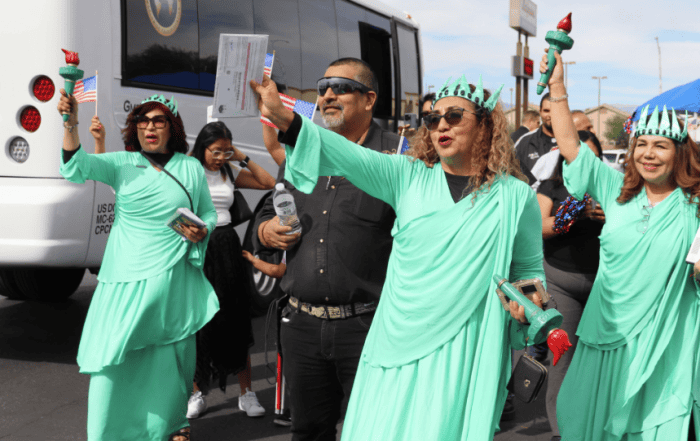
Make the Road NV: Civically Engaging Nevadan Latines and Immigrants
Empowering communities through storytelling, public-speaking workshops, and voter turnout initiatives.
Arizona’s Latino Businesses Growing Twice As Fast as State Economy
As the sector continues to grow, advocates say supporting Latino business owners will be critical to Arizona’s long‑term economic success.
Latino Political Support Alone Doesn’t Tell Us How Strong Latino Identity Is
Latino voters may share a strong sense of heritage while arriving at very different political conclusions.
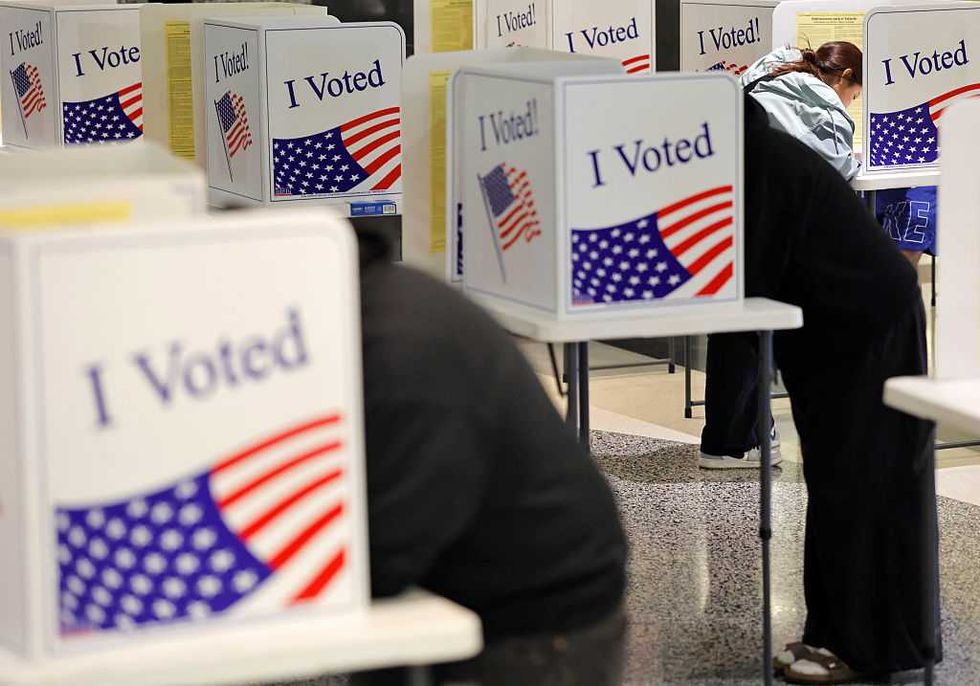

Solutions Journalism
Special Thanks To Our Supporters





Delivering news across the nation
The Latino News Network, is proud to have an extensive market reach, catering to nine primary markets while also covering stories around the country.

The coalition is fostering collaboration, elevating local concerns, and uniting residents in efforts to safeguard the rights of marginalized groups.

A powerful legacy that influenced both the city’s development and the broader history of the country.

An investigative look into allegations that a drugs‑for‑votes scheme inside Puerto Rico’s prisons was halted after the 2024 election, raising questions about political interference, and prosecutorial decisions.

A Latina‑led creative studio, has grown from a small idea into a thriving community hub for artists and entrepreneurs.

Missiles, Closures, and Rising Tensions: How War Is Reshaping Jerusalem’s Old City.

A look at how Latin Americans living in Israel are navigating fear, identity, and community as the Gaza war and regional tensions reshape daily life for this diverse diaspora.

During a recent civics class a student asked me why protests were happening around the country. This student wasn’t being partisan or argumentative. They were just trying to understand what is happening in our democracy right now. When it comes to teaching civics through current events, the hardest part doesn’t involve breaking up disagreements. Rather, the hardest and incidentally most valuable component is helping students develop meaning from situations as change unfolds on their social media feeds in real time. As a civics teacher, I am in a unique position to help them make sense of what’s happening in their community and in our nation. And in this current situation, as a teacher who specializes in Homeland Security and as a former immigration lawyer, I’m in an especially unique position. But my role is the same as any and every teacher in this country - to present current events [...]

The contest highlights growing Latino political engagement in a district long defined by its diversity and shifting demographics.

Latino voters across Texas delivered a dramatic surge in Democratic primary turnout—signaling renewed Democratic strength ahead of the 2026 midterms.

How updating the long‑stalled immigration registry statute could open new pathways to citizenship for millions of long‑term U.S. residents.

Politics Is More Than a Vote, It’s a Way of Life: Carmen Gimenez’s Journey From Venezuela to America
Nearly twenty years after leaving her homeland, the former mayoral candidate now stands at a new intersection of U.S. and Venezuelan politics.

A State of the Union is supposed to confront the country’s hardest questions. This year, one of the hardest was left unanswered.

Wisconsin ranks 50th for the rate of business ownership among minorities. Underrepresentation is especially acute for Latino owners.

“We want to show people our communities here in Seattle,” Daniel Calderon said.

Seattle, Washington, bakery featuring donuts inspired by Latin American flavors.

“I came with lots of hopes and dreams when I left my country to come and work, and that’s what motivated me to have my own business,” Bertha Veronica Ramirez said.
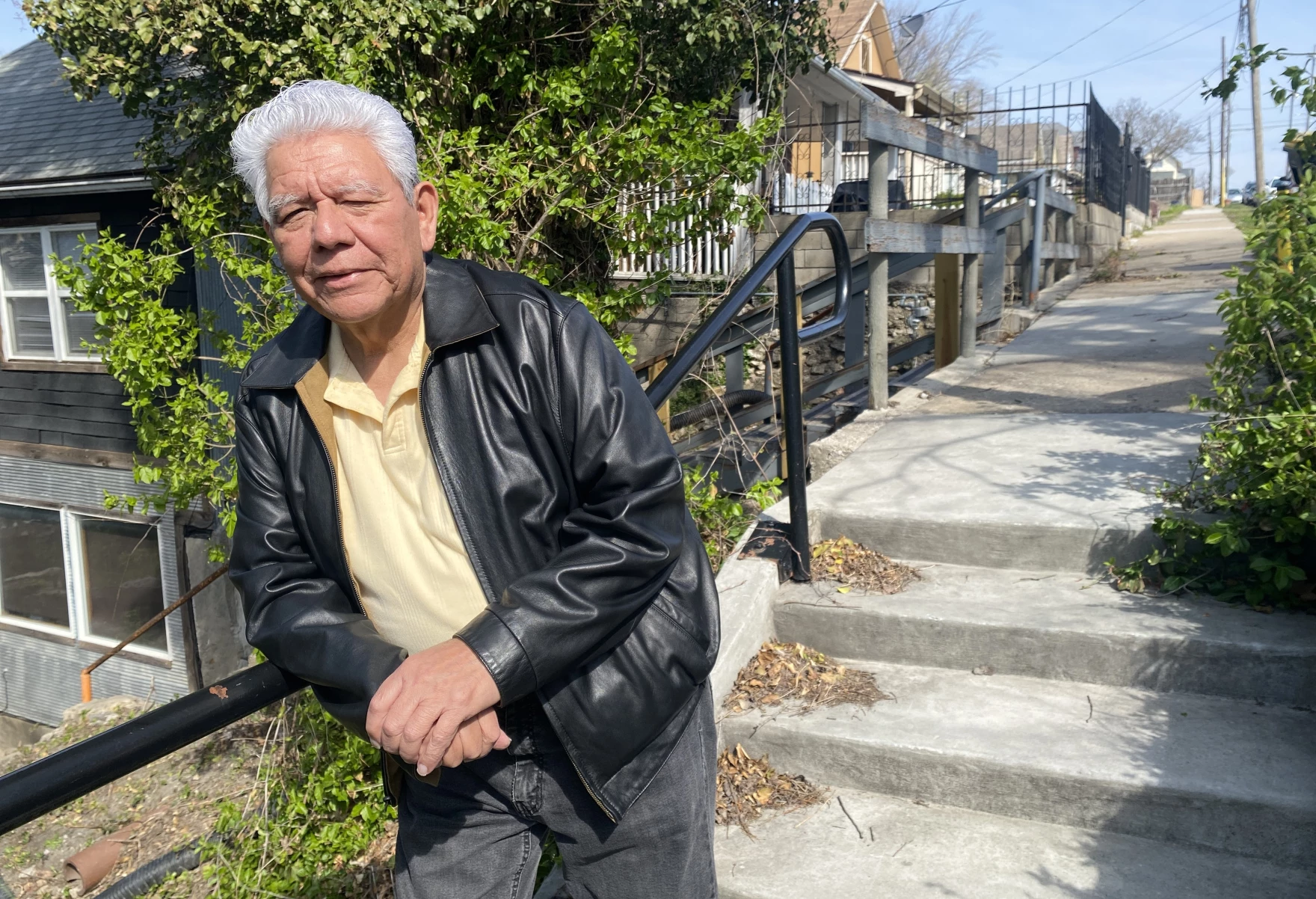
KCUR spent several months conducting listening sessions and interviews in various neighborhoods across Kansas City, Missouri, and Johnson County, Kansas. Throughout this process, they heard stories of how Latinos are introducing unique cultural elements while also expressing shared concerns.

A collective sense of job insecurity and frustration over wages and working conditions are driving activity in the Midwest.

LNN Editors offer best practices and lessons learned on solutions journalism and covering LGBTQIA+ communities

If all racial/ethnic groups had the same college degree attainment as white adults, the nation’s workers would see an additional $11 trillion in lifetime earnings.
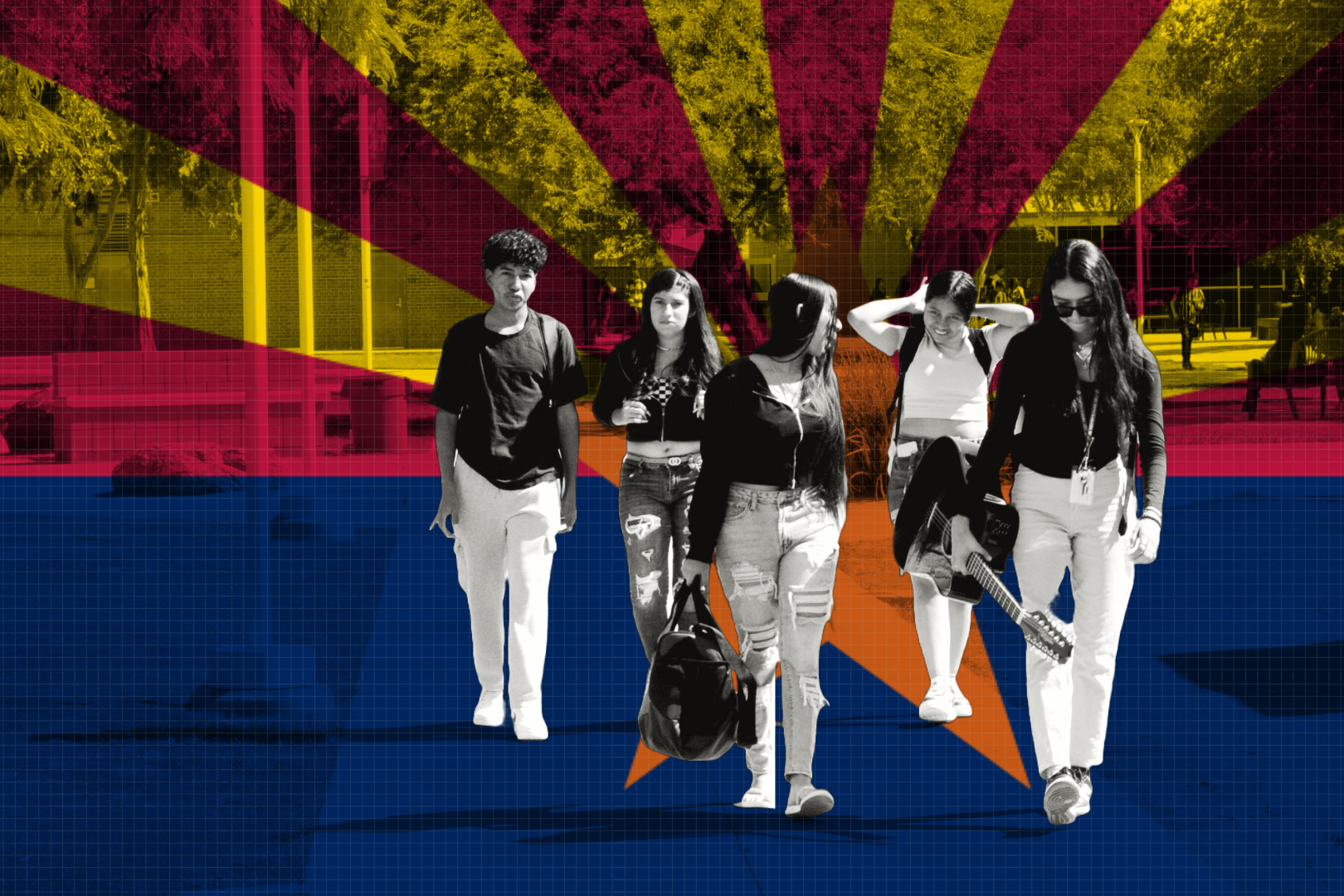
At the same time, the state ranks worst in the nation — nearly three times below national standards — for ensuring there are enough counselors to serve students

“Because my parents are immigrants, they dreamed of this since I was a little child,” Guerra-Carrillo said. “I mean, graduating high school was already just such a big dream.

Omaha native Isa Luzarraga will be able to report her own audio and digital stories.

Connecticut superintendents are concerned about intensifying learning gaps and their ability to address the needs of their diverse districts as COVID-era relief funding expires.
Nothing Found

A version of this story, Can getting kids to exercise fight obesity in communities of color?, was originally published online by the Center for Health Journalism (CHJ) at the University of Southern California. Written by CT Latino News Reporter and Editor Belen Dumont, the column introduces her project for the CHJ’s 2023 National Fellowship. Obesity rates across the United States have risen steadily over the past several decades, and nowhere is the trend more apparent than in communities of color in Connecticut. Black, Hispanic, and Native American residents of the state have some of the highest rates of obesity on the East Coast. Intervention and prevention are urgently needed, and many experts agree that targeting youth should be a main focus. Although the prevalence of obesity is lower among children than adults, a 2014 report in the Proceedings of the Nutrition Society noted that children should be the priority [...]

The USC Annenberg Center for Health Journalism announced "the selection of 20 talented journalists to participate in its 2023 National Fellowship to report on issues affecting child, youth and family health and well-being in the United States." Belen Dumont, Editor for the Latino News Network (LNN) – Northeast and Writer for Connecticut Latino News (CTLN) is among them. The competitive program includes a five-day training that provides insights into how health is shaped by community conditions, systemic racism and opportunity. Through reporting stipends and months of expert mentoring, the Center for Health Journalism supports Fellows as they produce investigative and explanatory projects on challenges affecting child, youth and family well-being. "I’m proud to welcome this group of reporters to Los Angeles this week. "We look forward to partnering with them (journalists) as they produce stories on health equity and systemic disparities in their communities that aim to make a difference," said [...]

For many menstruators the cost of bleeding forces them to choose which essential need will be met that month. “It was that struggle of do I eat that day or do I buy sanitary products, what is my priority right now?” explained Vincent. Like others who experience period poverty, socks and wadded up toilet paper became regular alternatives to menstrual products that Vincent could not afford. At one point, he was living in his car, utilizing a gym membership to shower, and showering as often as he could when he was short on products. Not only was Vincent houseless and dealing with the stigma of identifying as a transgender man, but he was a transgender Latino man who menstruates, experiencing several layers of marginalization in addition to the shame associated with bleeding. And according to a study by the University of Wisconsin-Madison’s Institute for Research on Poverty, LGBT-identifying people, [...]

An estimated 300 million people menstruate around the world on any given day. Still, the stigma surrounding this normal bodily function contributes to the cycle of period poverty that leads many without the products and/or knowledge they need to maintain a healthy period.Illinois Latino News and WBEZ Chicago collaborated on the January 31 virtual event Community Conversation: What is Period Poverty? to explore this issue. Beyond defining period poverty, the event strived to illustrate its effects with video interviews featuring first-hand accounts and expert panelists at both the local and national level. Responses from the Addressing Period Poverty survey shaped the content of this conversation, by catering to the information respondents said they wanted to know.Panelists included: Abigail Suleman, Co-founder of Blood Buds and MPH student at UIC Ida Melbye, Executive director of the Period Collective Damaris Pereda, National programs director, PERIOD. Dr. Sameena Rahman, Obstetrics and gynecology specialist [...]
About 26 percent of the world population menstruates. Shame and stigma inhibits education and access to essential hygiene products for people who menstruate, and it happens everywhere. In the U.S., nearly two-thirds of low-income women couldn’t afford tampons or pads in 2018. Period poverty particularly impacts low income and unhoused communities, as well as people in Black and Brown communities. Join Illinois Latino News and WBEZ for a free virtual conversation defining period poverty and exploring its covert effects on people across Chicago and around the world. During the program, we’ll hear from panelists like Ida Melbye, the executive director of the Period Collective, and Abigail Suleman, co-founder of the Blood Buds UIC initiative, plus more. Reporter and editor of ILLN Annabel Rocha will host the event. You can participate by sharing your experiences with menstruation through this survey. Comparten sus experiencias tomando nuestra encuesta: Abordando La Pobreza Menstrual. El evento del 31 de enero, será transmitido en español. SUGGESTION: [...]
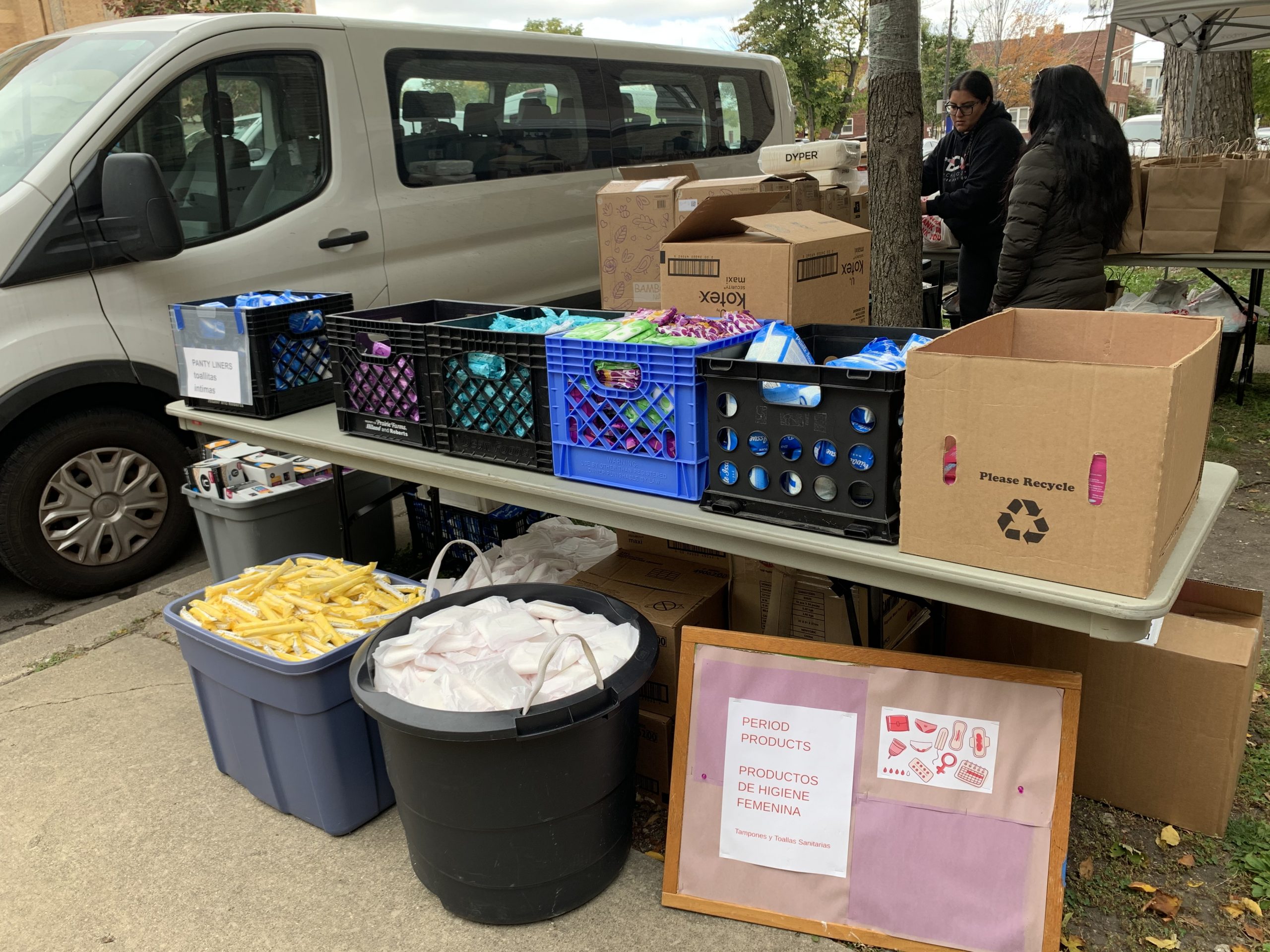
Gray skies and clouds signal spotted rain showers above the heads of folks bundled in their winter coats, lining their carritos up along the side of a former church on Karlov and Kamerling Ave. They know the drill. Line up and wait for their number to be called, a recent change added to prevent arguments over who was there first or who stepped out of line. It’s the first Friday of October, and although distribution begins at noon– two hours later– the line is already curving around the corner in anticipation of The Bloc’s monthly pantry pop-up. The Bloc sits in Humboldt Park, Chicago’s West Side neighborhood known for its rich Puerto Rican culture. 55.4 percent of Humboldt Park residents are Hispanic and 30.9 percent have an annual household income of less than $25,000. The statistics are reflected in the line, which consists of mostly middle-aged to elder Latinos. [...]
Nothing Found
Sazón
Nothing Found
Noticias Newswire
reVolver Podcasts Expands Sports Lineup with La Sacó del Estadio, Bringing U.S. Major Leagues Closer to Latino Fans

Verizon Makes The Holidays Simple with Our Best Deals and Rewards Just for Being a Customer

Medicare Open Enrollment Ends Dec. 7: Give Your Plan a Check-up

Quick Links
Trending
