From Migrant in the United States to Interpreter for the Mexican Presidency
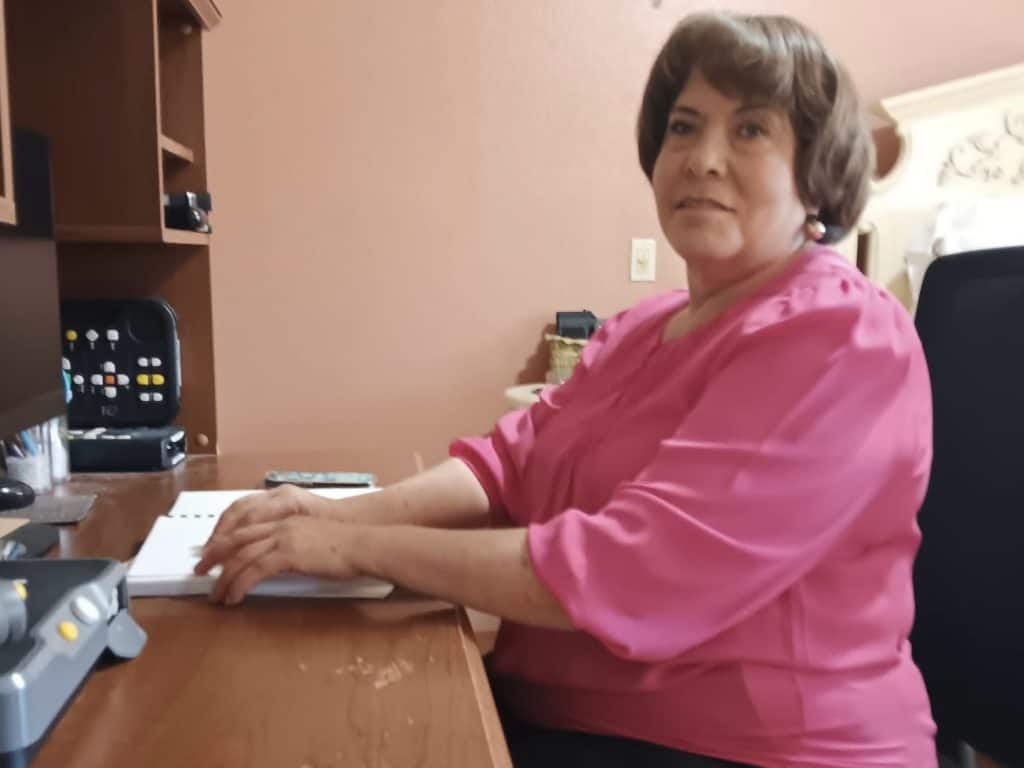
Lilia Rubio went from washing dshes in Utah to working with international heads of state.
From quiet stretches of shoreline to conversations with fellow peregrinos, each step offered a reminder that pilgrimage isn’t defined by distance but by the people and perspectives encountered along the way.
A bilingual teacher reflects on how culturally responsive teaching transformed her classroom, helping immigrant students heal from trauma, embrace their identities, and build a community.
A new mother reflects on the emotional weight of raising a newborn while watching fascism, xenophobia, and political violence escalate in the U.S.
The U.S. legal immigration system is becoming increasingly unstable as shifting policies, processing pauses, and massive backlogs undermine long‑standing expectations of consistency.
Border communities have endured decades of violent immigration enforcement, where agents operate with near-total impunity and rarely face accountability for misconduct.
For Women’s History Month, the author reconsiders Malinche—long cast as Mexico’s betrayer—and reflects on how decades of researching her helped clarify her own Mexican‑American identity.
Immigrant students’ experiences of displacement and uncertainty become strategic strengths, cultivating the resilience and cultural fluency that drive purpose‑driven innovation in tech.
Latinos Must Forge Stronger Political Solidarity with Black People to Remove It
Partnership strengthens a national alliance of community‑focused newsrooms, expanding collaborative reporting and amplifying diverse voices across the country.
Leaders in California and Arizona respond to allegations against César Chávez as states reconsider how to honor his legacy and support victims.
Storytelling, film, and visual art challenges stereotypes and assert Afro-Colombian cultural identity.