

Latina Power Is Here: U.S. Systems Need to Catch Up
Latina power is reshaping America — in education, entrepreneurship, medicine, and leadership — yet remains widely misunderstood.
 Skip to content
 Latina power is reshaping America — in education, entrepreneurship, medicine, and leadership — yet remains widely misunderstood.
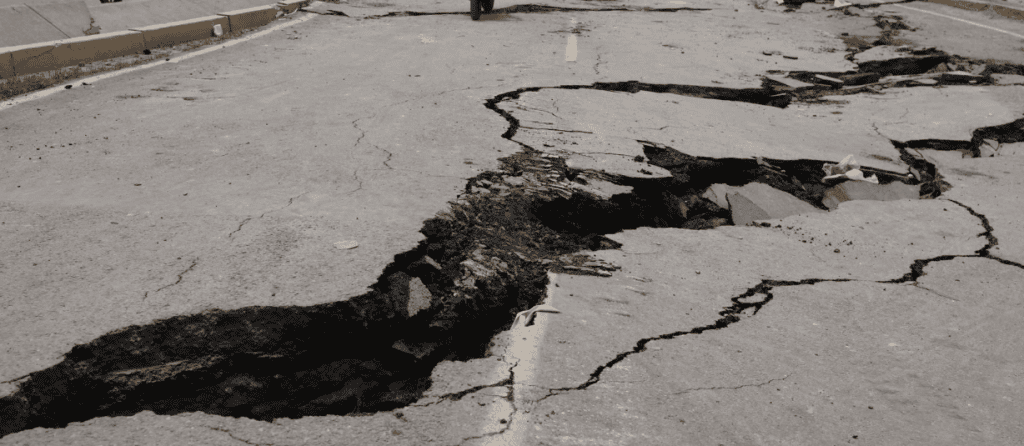
The disaster has made return unsafe for the hundreds of thousands of Venezuelans living in the United States.

Advocates warn that without targeted reforms, workplace injuries and fatalities in Latino communities will remain unacceptably high.
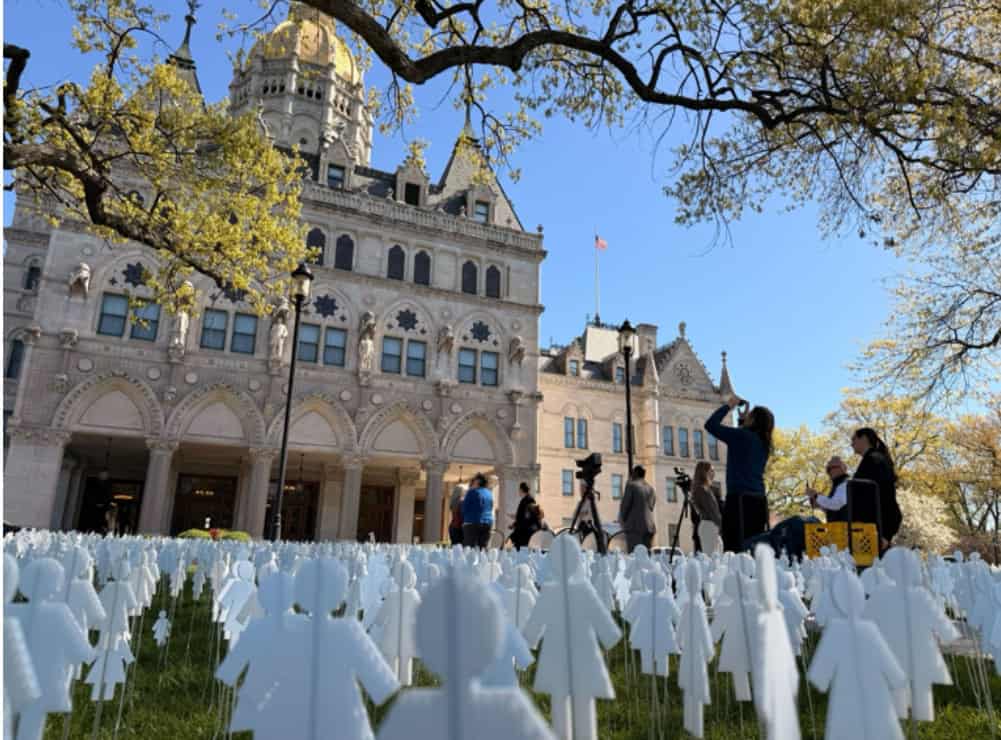
At least 577,000 women and girls are estimated to be at risk.

Advocates say proactive conversations and documented care preferences can reduce stress for families and ensure individuals receive the support and dignity they want at life’s end.
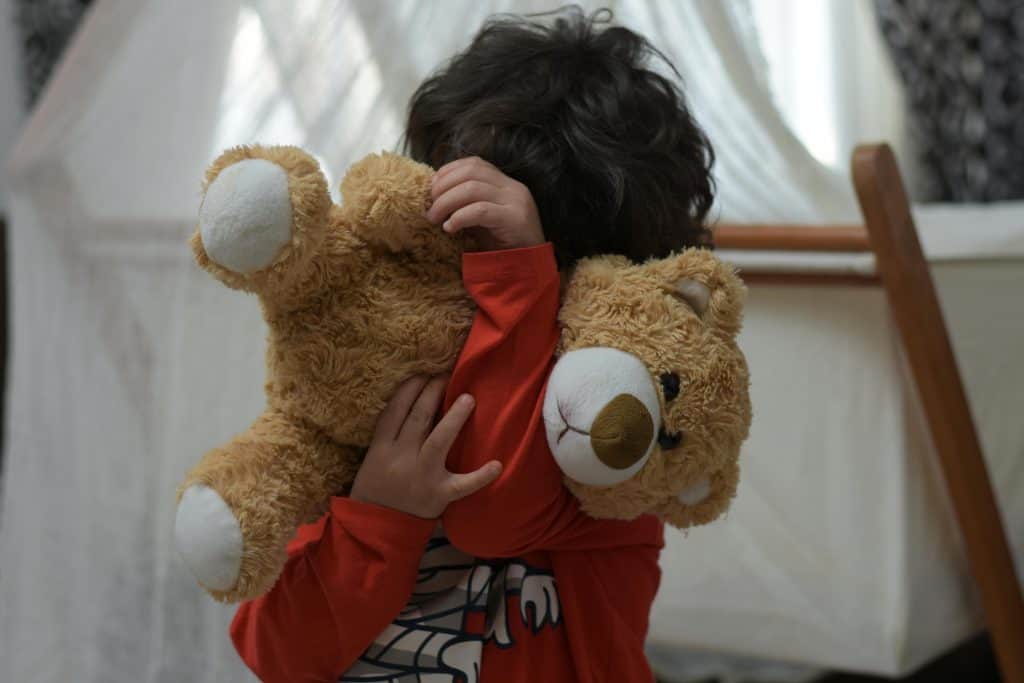
A former social worker reflects on the government’s dual role in child welfare, questioning what happens when the system meant to protect children, begins enabling abuse and neglect.

In using immigration to target Farm and food chain workers, our federal government is committing us to a food system in danger.

A new mother reflects on the emotional weight of raising a newborn while watching fascism, xenophobia, and political violence escalate in the U.S.
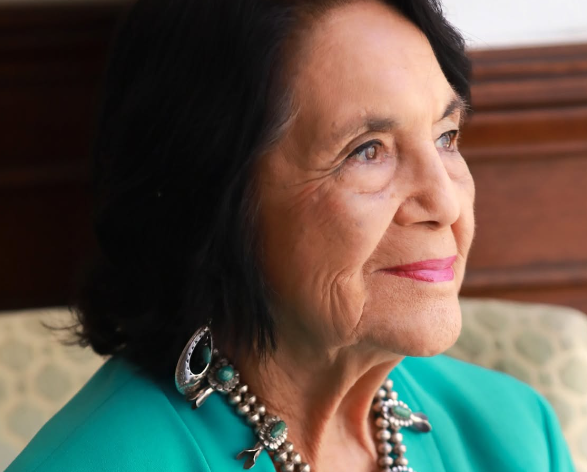
Standing up and telling your story is the bravest thing a survivor can do. There is always the fear of not being believed.
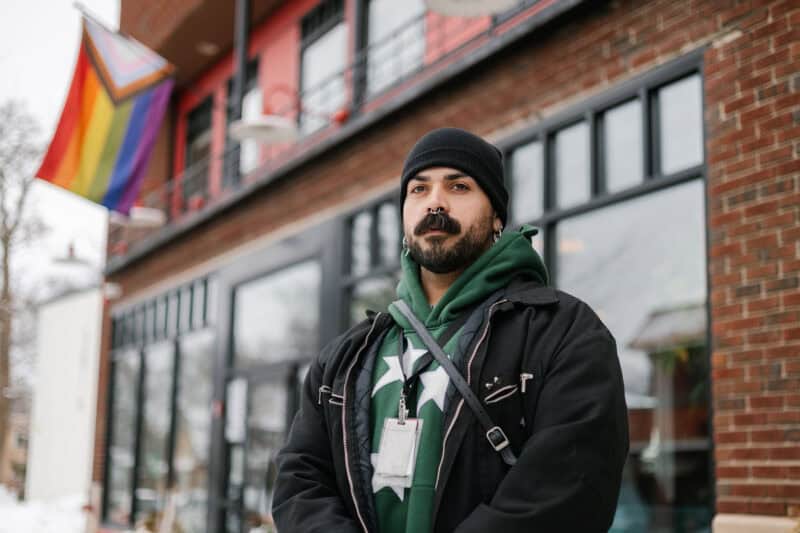
In Minneapolis, intense immigration enforcement is disrupting HIV care for Latino communities, a group already disproportionately affected by the virus.

Fear keeps immigrants from clinics, turning treatable conditions into crises and eroding trust in care.
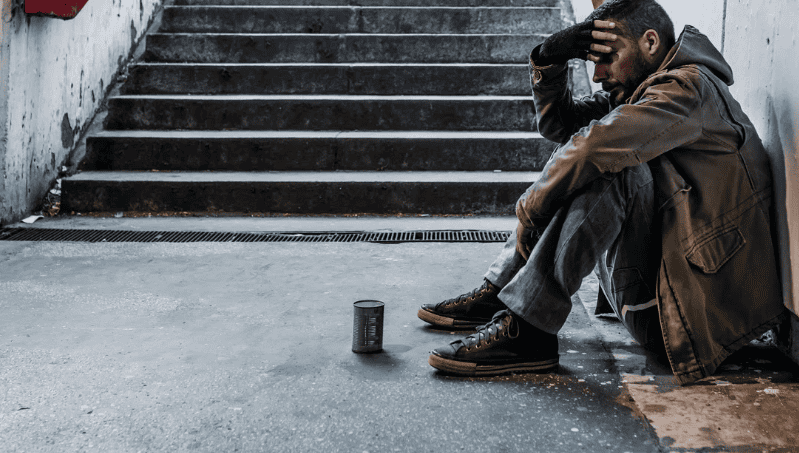
“The Trump administration wants to limit housing vouchers for permanent supportive housing, which is what I am on. I do not make enough money to get a market-rate apartment.”
