

The Recipe for a Humanitarian Crisis: 600,000 Venezuelans Set to Be Returned to the “Mouth of the Shark”
The peril of returning refugees to a nation under the brutal dictatorship of Nicolás Maduro.
The peril of returning refugees to a nation under the brutal dictatorship of Nicolás Maduro.

Federal agencies continue to remove multilanguage resources from their website in response to Trump’s executive order declaring English as the official language of the United States.
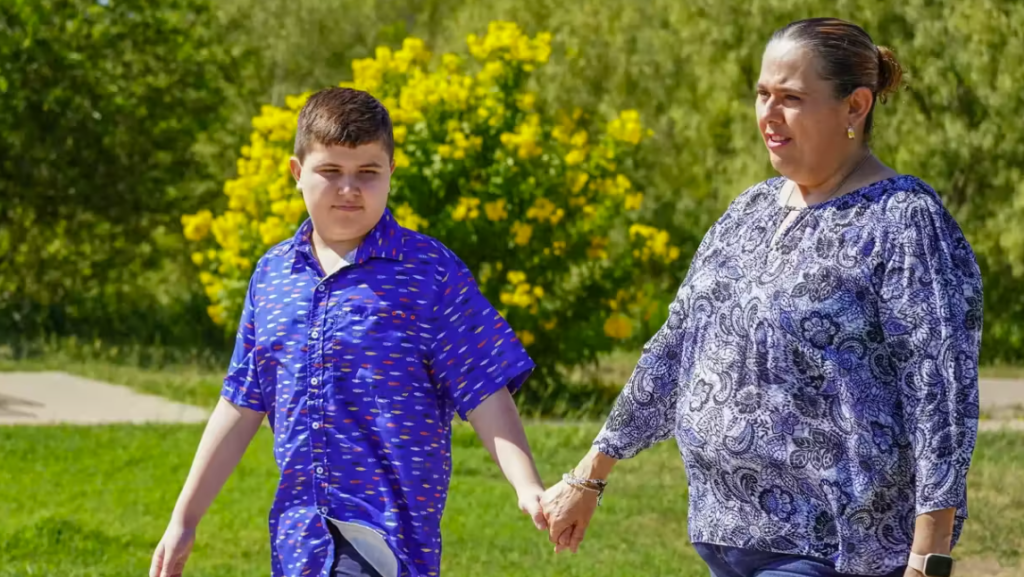
Activists and residents organize as they fear their city might be a hotspot of exposure to a dangerous chemical.

Majority of Latinos Disapprove of Trump’s Immigration and Economic Policies
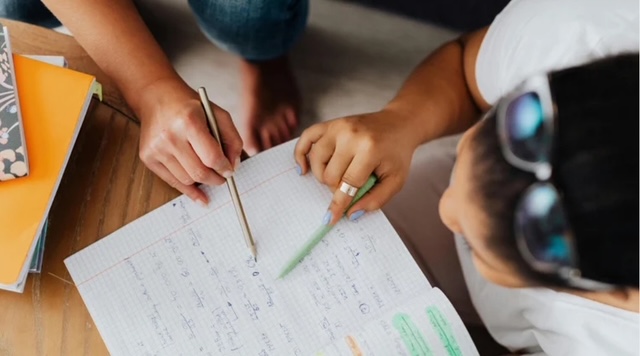
California’s teacher shortage highlights inequities in teacher education. Supporting and retaining teachers of color starts with racially just TEPs.

The Supreme Court’s decision raises concerns about racial profiling, as critics argue it permits stops based on a combination of factors that could be discriminatory.
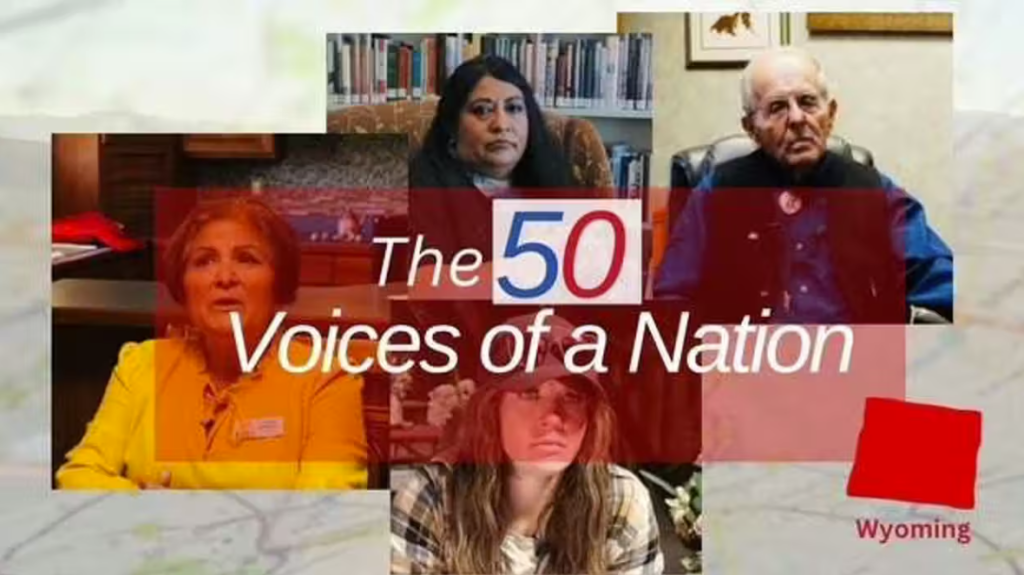
“We bring Latinos and Native Americans. We bring them to the capital. We want people to start seeing us…”

California has stopped buying coal power, marking a major clean-energy milestone. Advocates say the next step is making sure Latino communities share in the benefits.
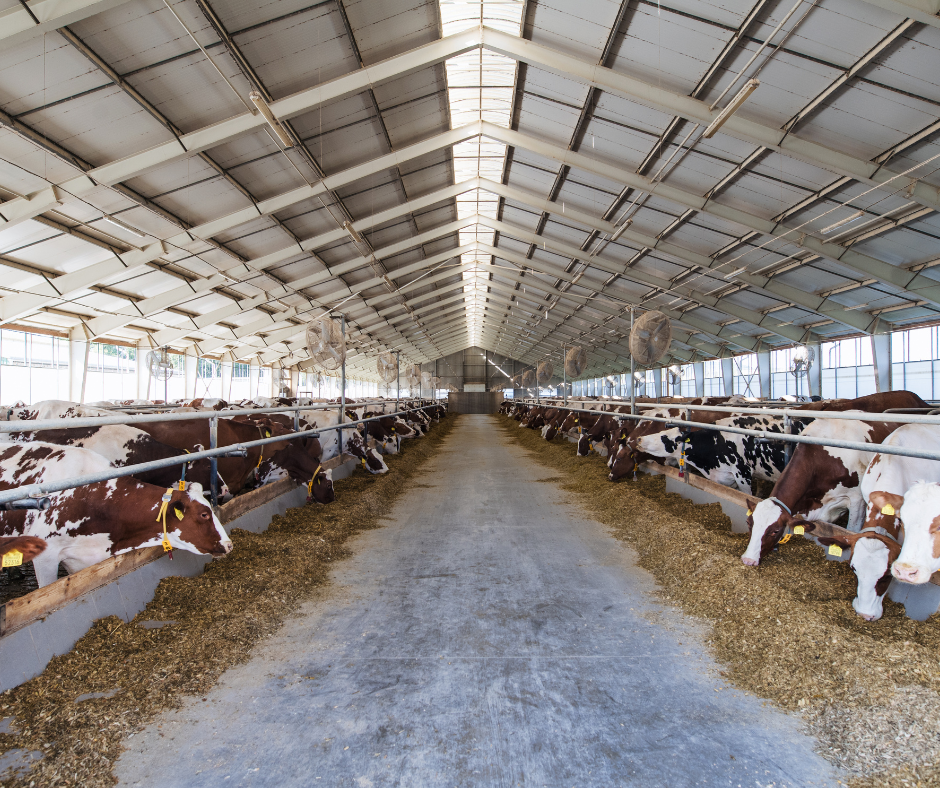
A recent ICE raid in Manitowoc County is adding pressure to Wisconsin’s dairy industry, which relies heavily on immigrant labor to keep farms running. Farmers say tougher immigration enforcement could make it even harder to find workers to keep up with demand.

“They just treated us like we were nothing”

A new Pew Research Center analysis shows the U.S. Latino population has nearly doubled over the past 25 years, reaching 67.8 million in 2024. While California and Texas remain home to the largest Latino communities, much of the recent growth is taking place across the Midwest and South.
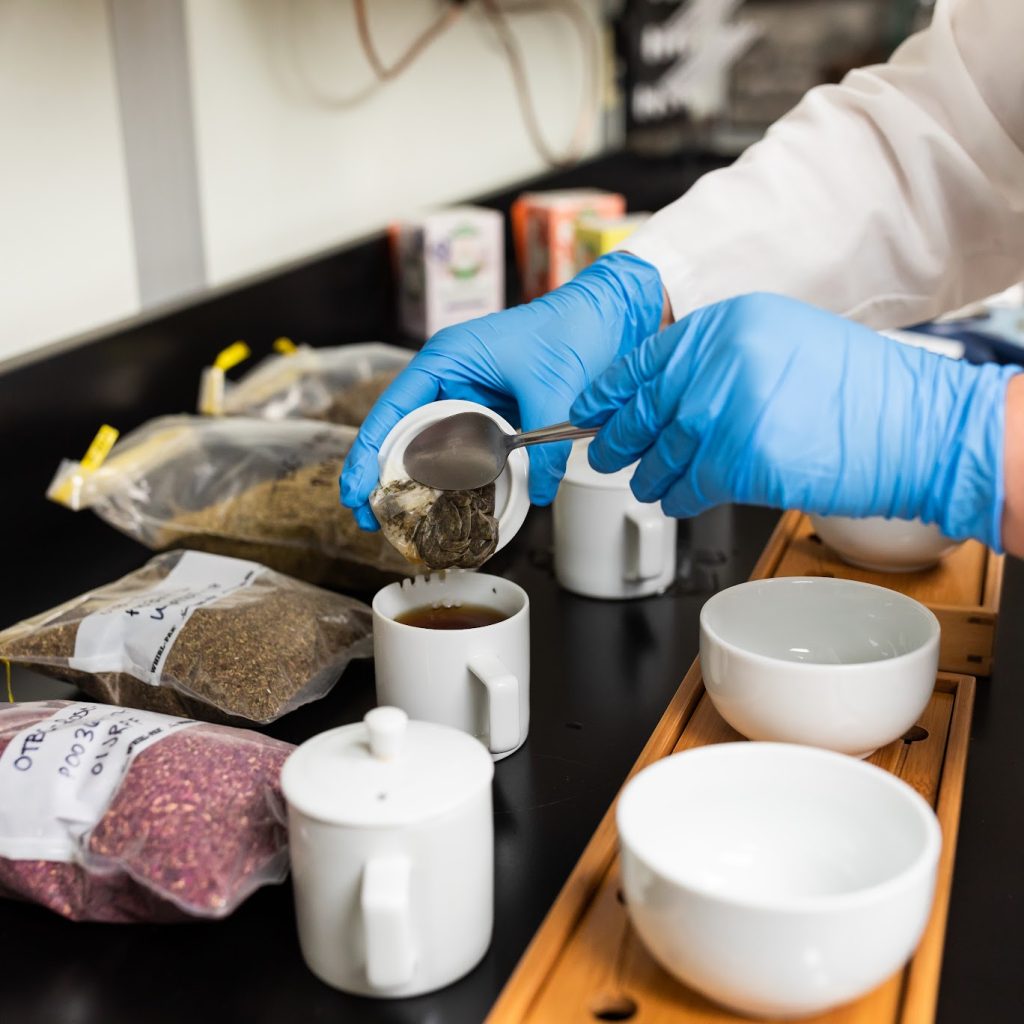
For more than four decades, Tadin Tea has been part of Latino households across California and the United States. Its chamomile, hibiscus, and herbal blends are more than beverages. They are memories of kitchens filled with warmth, conversations with grandparents, and traditions passed from one generation to the next.