
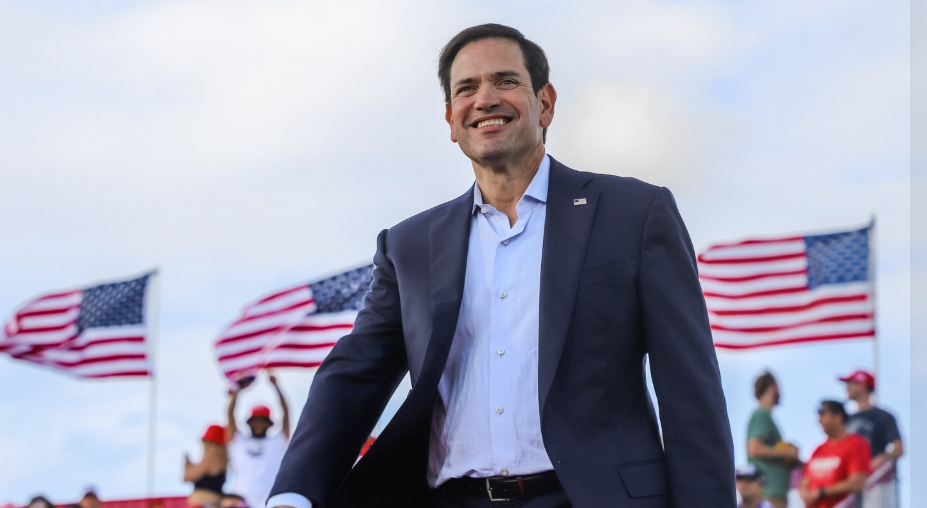
Marco Rubio: 2028 Presidential Contender?
The U.S. Secretary of State’s Senate testimony showcased a disciplined, media‑savvy operator
The U.S. Secretary of State’s Senate testimony showcased a disciplined, media‑savvy operator
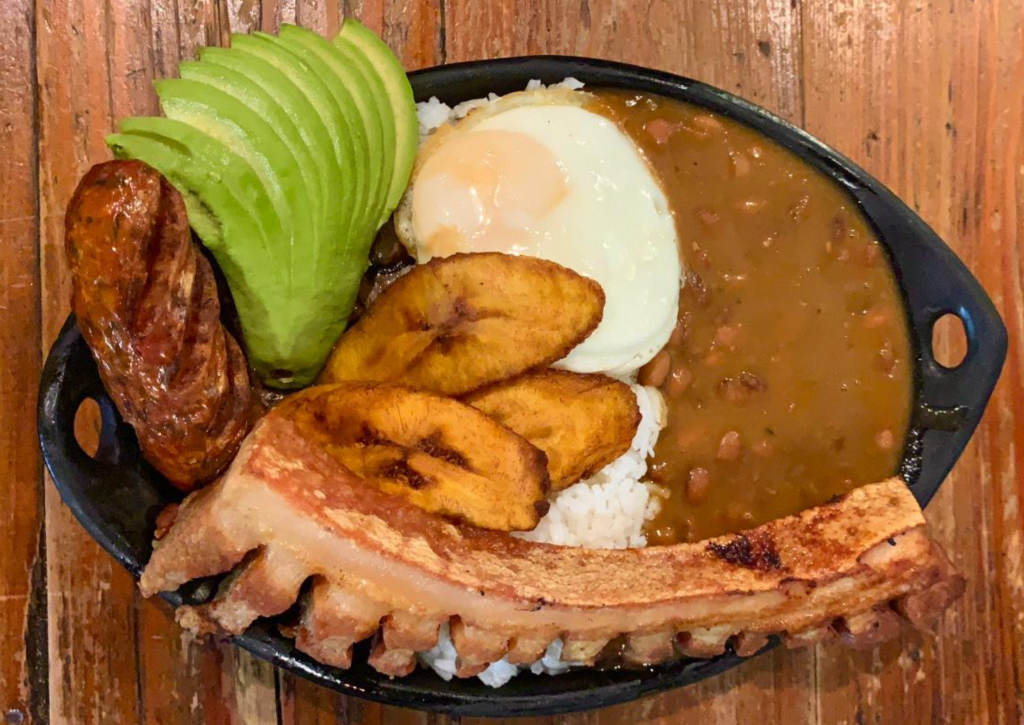
BOCA RATON – Nestled in the heart of West Boca Raton is Rancheritos Latin Restaurant. The restaurant, which has been

First Latino quarterback to win a national championship and the Heisman in the same season.

“The Trump administration wants to limit housing vouchers for permanent supportive housing, which is what I am on. I do not make enough money to get a market-rate apartment.”

Maduro’s capture marks a turning point for Venezuela — and sets up major political, security, and diplomatic challenges for the United States.

Jo‑El Lopez’s Digital Divine turns our digital icons into a new spiritual universe.

A New Year’s resolution on shedding what no longer contributes to one’s life, positively or productively.
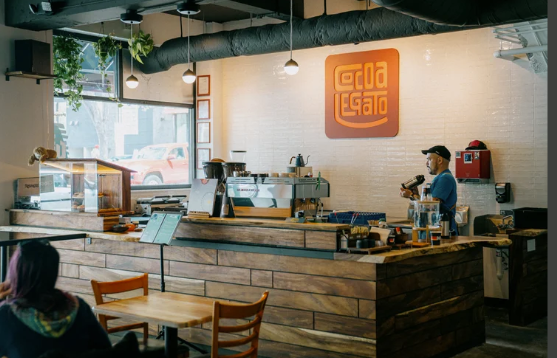
A space in Seattle where heritage, sensory experience and community come together.

With Struthers-Lugo at the helm of digital production, LNN is poised to deepen its engagement, broaden its reach to inform, empower, and uplift Latino communities.
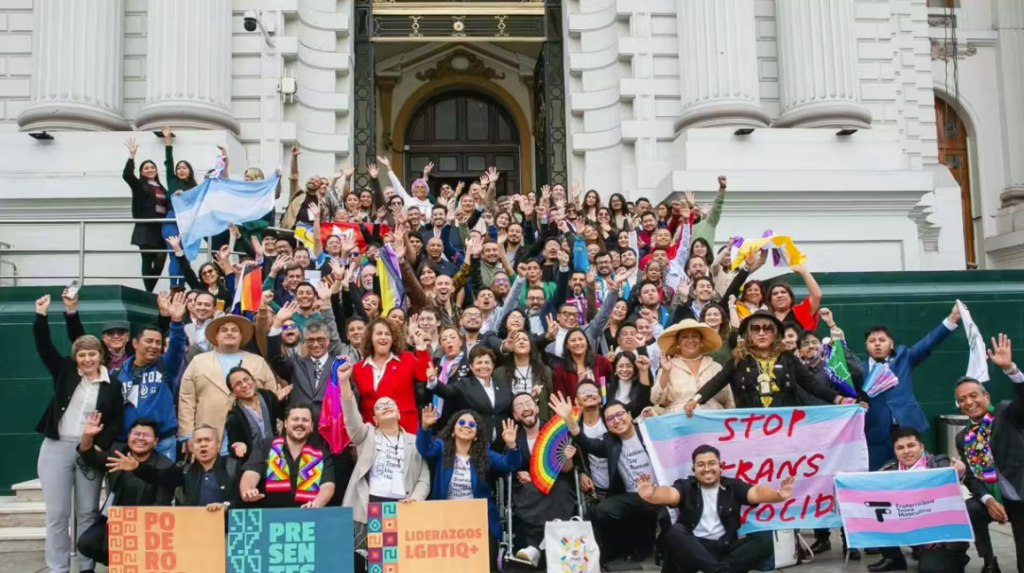
After years of progress in terms of inclusion, the anti-rights backlash in the Americas is not only rolling back hard-won rights but also directly threatening LGBTQ+ populations with erasure and criminalization.
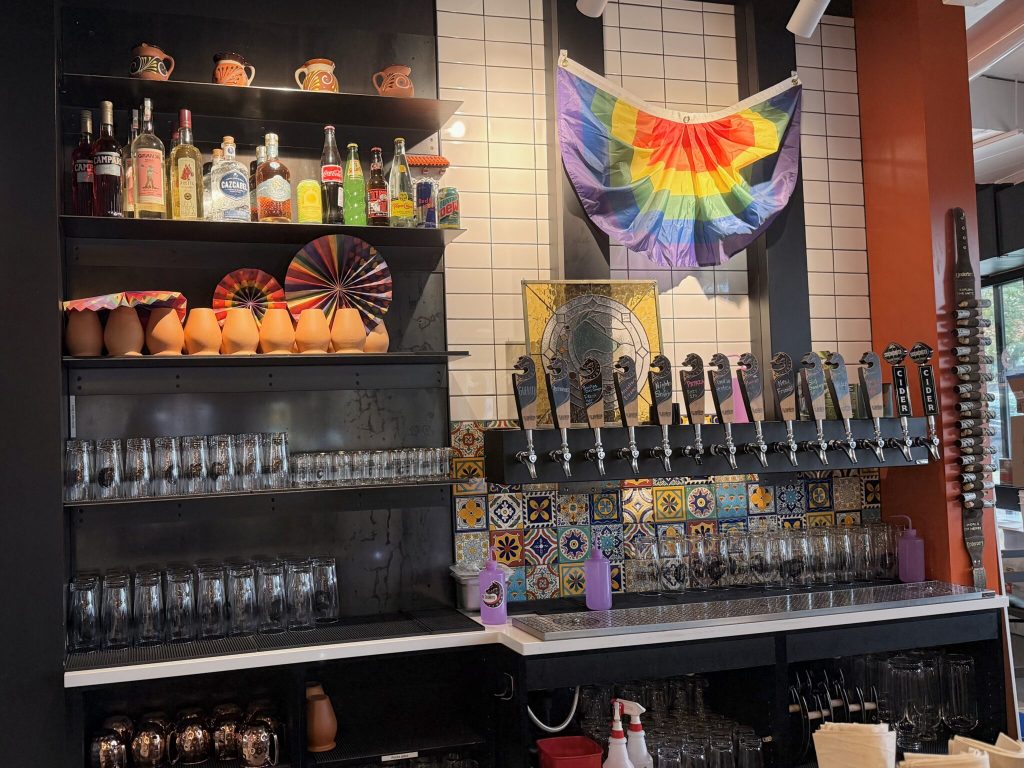
A commitment to culture and community that goes beyond aesthetics: “Being queer, brown, but also an immigrant – all those themes are very important to us.”

Facing budget shortfalls due to the end of COVID funding, cuts to Medicaid and tariffs, states are turning to one place for cuts: child care.