
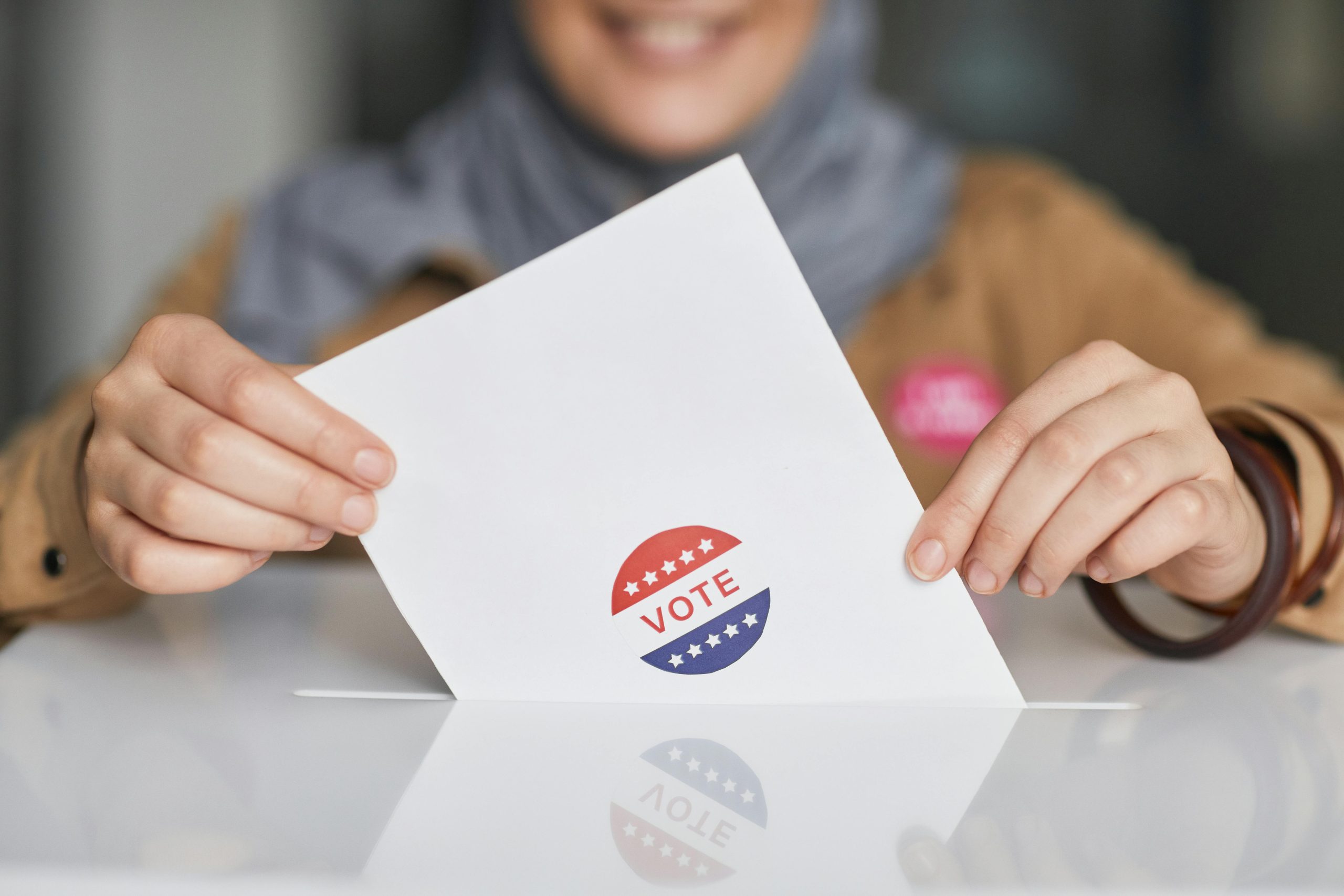
Primary elections are underway across the United States, and this year’s contests are giving early clues about what voters may prioritize in the general election.
Several states have recently held high-profile primary races that could influence the balance of power in Congress over the next two years, in both state-wide and local elections. Many of these races involve open seats or competitive districts, making the outcomes especially significant as parties prepare for November.
One trend political analysts are watching closely is turnout. Historically, primaries typically attract far fewer voters than general elections, with data suggesting a national average of around 20%; however, early data from this year’s elections to-date suggests a slight uptick in participation, depending on the issues and candidates on the ballot. In Chicago, for example, youth turnout in the 2026 primary increased compared with the last midterm primary. Larger turnout percentages have been mostly favorable to Democratic candidates, a trend that has been observed in both statewide and local elections.
A shining example of this trend is Democrat Emily Gregory’s recent win in Florida, where she flipped House District 87, a legislative district that includes President Trump’s own Mar-a-Lago. Previously, the 87th District was represented by Republican Mike Caruso, who won by 19 percentage points in 2024. In the shocking victory, Gregory edged out her competitor, Jon Maples, by 2.4 percentage points.

While the results suggest that Democrats have more momentum in the primaries currently, it is still too early to know whether these trends will hold over the course of election season; in addition, it remains uncertain if this year’s higher yield of voter turnout will signal a permanent change in the public’s relationship with primary elections.
Another factor shaping this year’s primaries is the growing influence of money and emerging industries in politics. New political action committees tied to the artificial intelligence industry have already spent millions supporting candidates in congressional primaries, highlighting how technology policy is becoming a major campaign issue.
At the same time, some races are revealing divisions within political parties themselves. In several states, competitive primaries are turning into debates over ideology, strategy, and which candidates are most likely to win in November. This can be seen in Maine, where Democrats are worried tensions between members of the party may upset their chances of ousting long-time Senator Susan Collins (R) in the November election. While contentious primaries may draw more voters in, remaining tensions can also make it more challenging for the eventual nominee to garner collective support come the general election.
All of this helps explain why it is important to pay close attention to primaries. They don’t just decide who advances to the general election; they can also signal where the political landscape in the United States may be heading next.
Britton Struthers-Lugo is a journalist and visual storyteller. She currently works as a Digital Content Producer across The Fulcrum and The Latino News Network.