 Skip to content
Voter outreach work in Minnesota has an added complication this year: lasting effects from Operation Metro Surge. But Latino civic engagement leaders said resources from responding to the crisis aid existing election infrastructure.
Since 2018, the organization Communities Organizing Latino Power and Action has carried out nonpartisan voting education in Latino communities.
Rico Duran, organizing director for the group, said it includes bilingual phone banking, door-to-door canvassing and targeted text messaging. He acknowledged tfor the 2026 midterms, anxiety is in the air stemming from immigration enforcement but he is encouraged by what his team is hearing.
“People, they are going early to vote,” Duran stressed. “We sense all that because many people already through our phone banks (are) saying, ‘No, I voted already.'”

The feedback aligns with higher early voting numbers reported by the state.
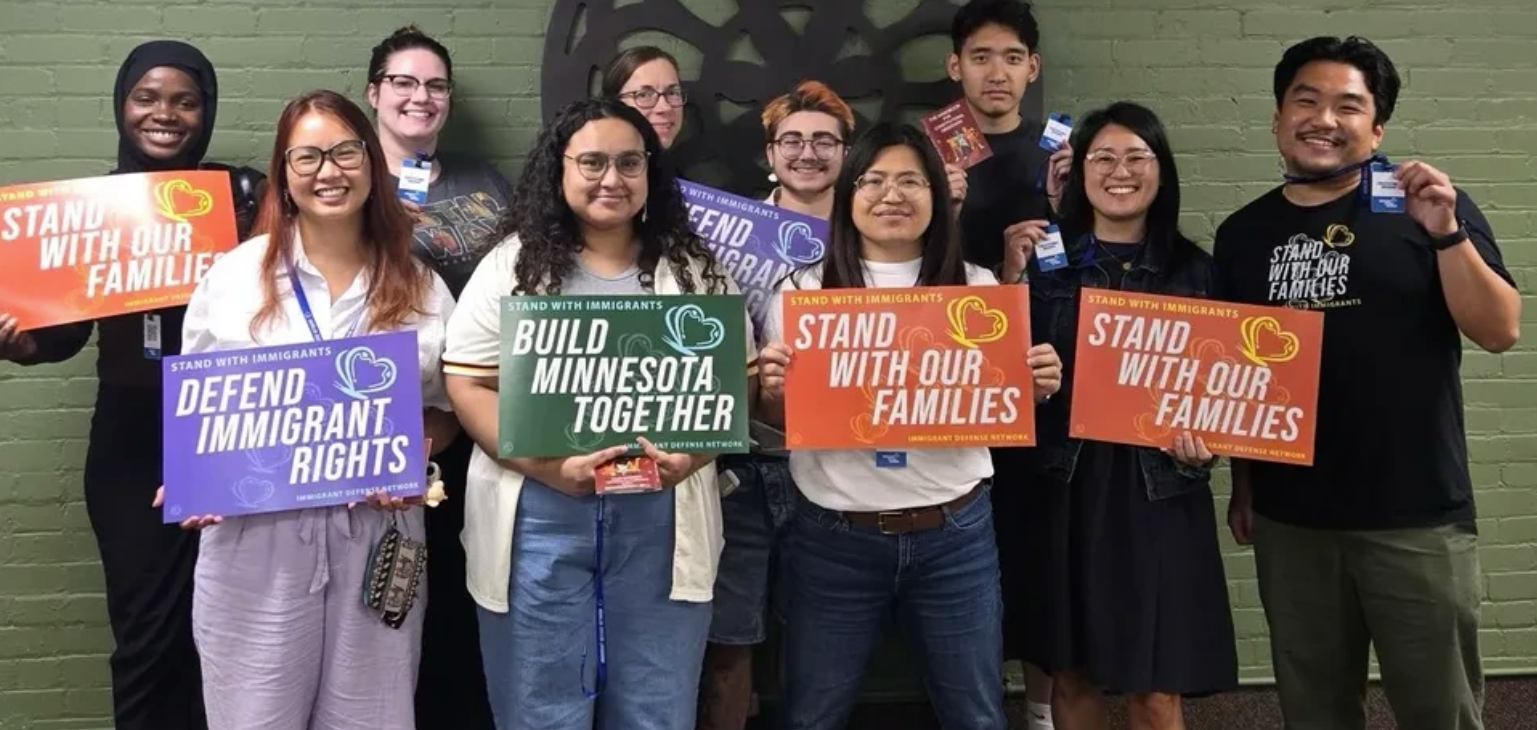
Elsewhere in the U.S., democracy-centric groups report resource gaps but Duran noted regionally, there are related efforts from the Immigrant Defense Network, one of his group’s projects. Trained constitutional observers are now helping neighbors who are eligible to vote know their rights and make a plan. He added the network’s profile has attracted philanthropic support.
Despite national chatter about voter intimidation at the hands of the federal government, Duran stressed they cannot let fear lead to misinformation and unnecessary panic. There has been no clear sign but state and local governments and support groups still plan for such scenarios. The Network is organizing volunteers through Senate District Action Leads across Minnesota. They’re coordinating to gather in places that don’t violate distance laws at polling sites with the intention of sharing educational information and becoming Democracy Protectors. Duran said it’s more about having a safe, physical presence.
Duran explained it is more about having a safe, physical presence.
“With this, we don’t focus on intimidation but we focus on being sites where people can come and get resources, volunteers can come and help each other,” Duran underscored.
Duran anticipates last winter’s immigration enforcement surge and the community-level response will inspire future Latino candidates.
“We’ve seen the laying (of) the foundation for the next generation – coming up probably within the next five years, 10 years – people interested in public policy, people participating more and more,” Duran added.
Election Day is Nov. 3. Early voting in Minnesota runs through Nov. 2.
In Minnesota, Latino Voter Outreach Teams Sidestep Fear was first published by Public News Service and is republished with permission.
Mike Moen is a producer with PNS.