 Skip to content
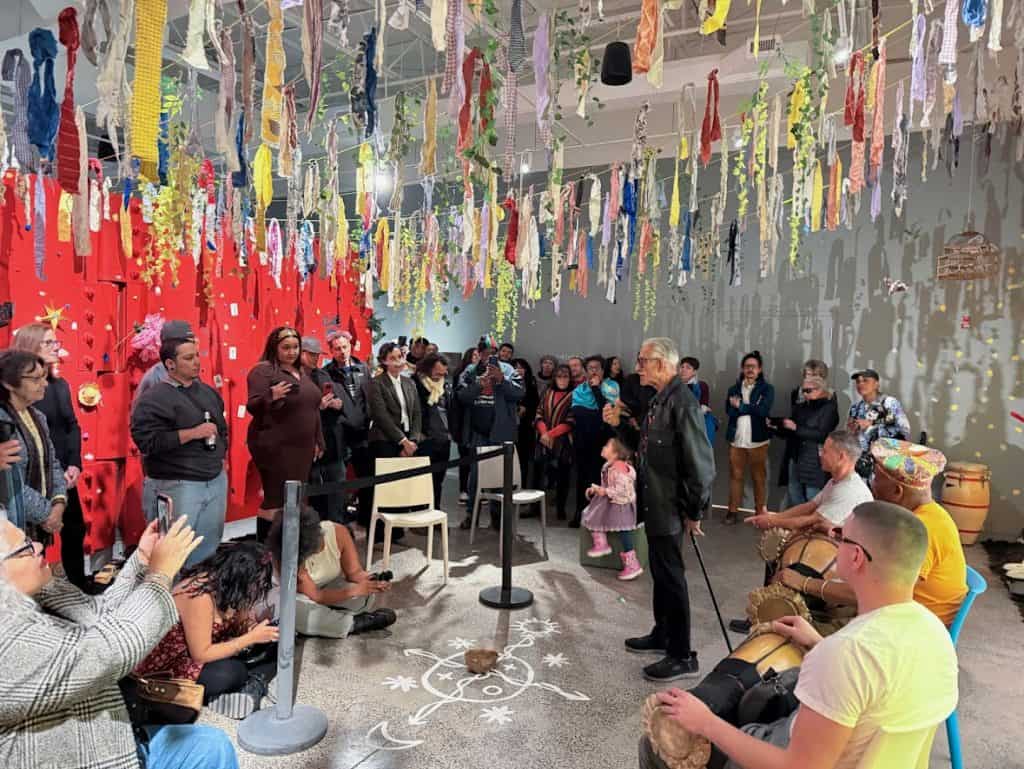
PHILADELPHIA — Taller Puertorriqueño has spent 50 years preserving and amplifying Puerto Rican and Afro‑Latine histories in Philadelphia.
As the United States approaches its 250th anniversary in 2026, the organization is stepping into that milestone with a message: Latine communities have always been part of the city’s story — and their histories are essential to understanding the nation’s past and future.
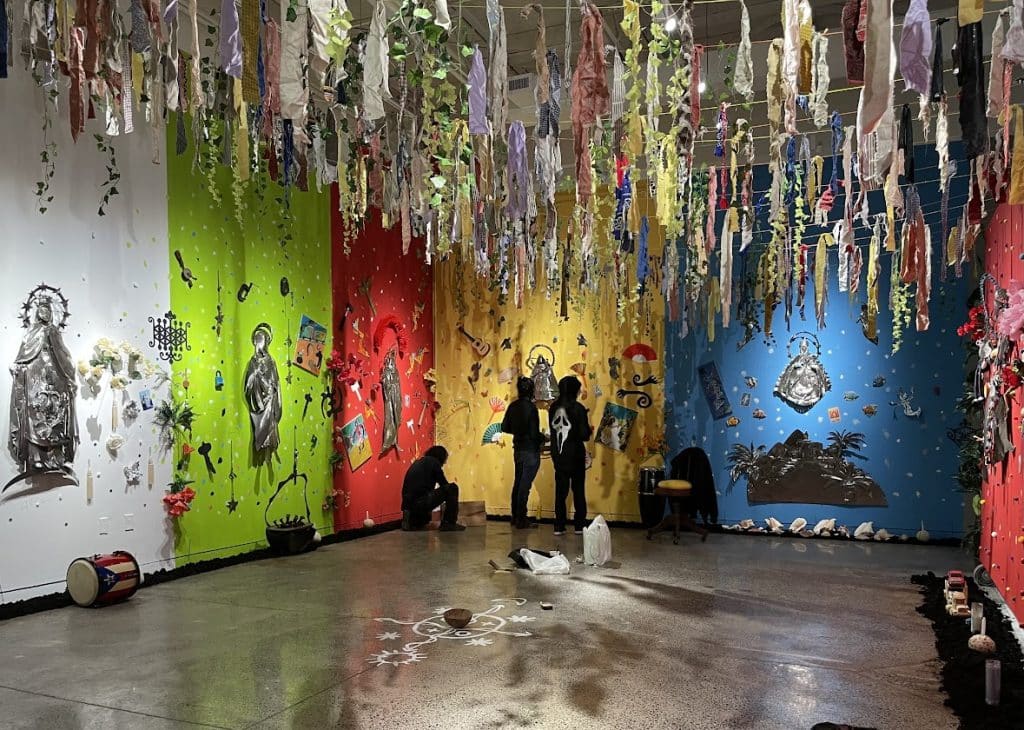
Rafael Damast, Taller’s exhibitions director and curator, said the organization sees itself “as both a guardian and a generator of Puerto Rican and Afro‑Latine histories in Philadelphia.” Taller’s work, he said, ensures these stories are not treated as “side notes to a broader narrative,” but recognized as central to the city’s identity.
“Equally important,” he said, “Taller treats history as a living practice” by engaging young people, supporting artists and nurturing future cultural memory‑keepers.
That living history is visible across the city — in murals, archives, community centers and neighborhoods shaped by generations of migration. Philadelphia is home to one of the region’s largest and most diverse Latinx populations, with communities from Puerto Rico, Mexico, the Dominican Republic, Central America and South America contributing to the city’s cultural, economic and civic life.

Their presence spans more than a century, but the city’s ties to Latin America stretch even further back.
A City Connected to the Americas
In the late 18th and early 19th centuries, Philadelphia’s ports, printing houses and political networks made it a center of exchange between the United States and Spanish America.
The city’s printers produced pamphlets and newspapers that circulated throughout the Caribbean and South America, and its political culture attracted reformers seeking models for republican governance.
Historical accounts describe Simón Bolívar, the Venezuelan‑born independence leader, visiting the United States in 1807 and spending time in cities, including Philadelphia, as he observed the country’s political system. While documentation of his activities in the city is limited, scholars widely agree that Philadelphia’s revolutionary legacy influenced independence movements across the hemisphere. Those early connections laid the groundwork for a Latine presence that would grow steadily over the next two centuries.
Migration and Community Building
By the early 20th century, Puerto Rican migrants began arriving in Philadelphia in large numbers, drawn by industrial jobs and the promise of economic opportunity. Their communities took root in North Philadelphia, where families established social clubs, churches and civic organizations that helped newcomers navigate life in the city.
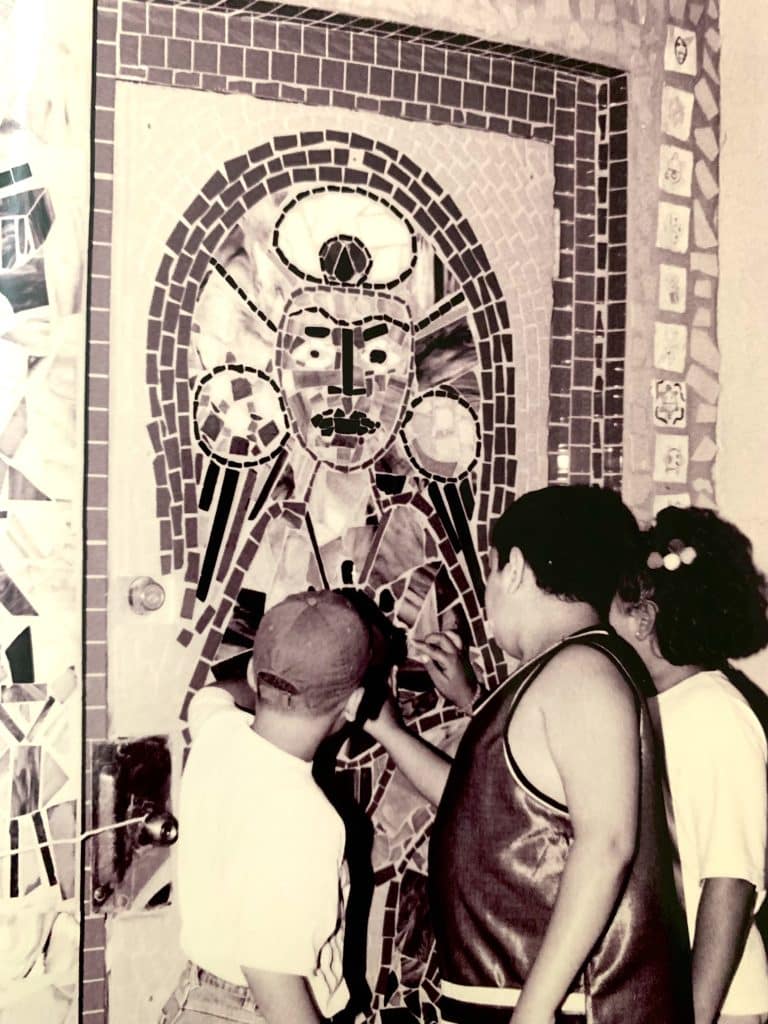
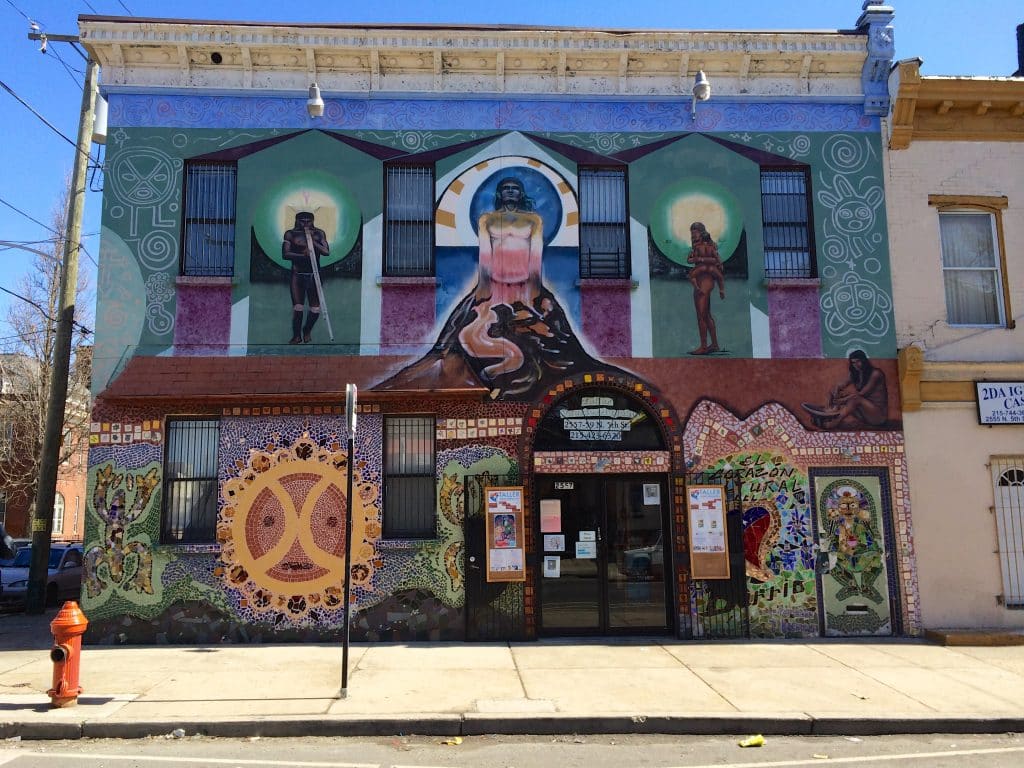
Taller Puertorriqueño emerged from that landscape in 1974, founded by artists and activists committed to cultural preservation and community empowerment. Over the decades, it has become a cornerstone of Latine cultural life, hosting exhibitions, performances and public programs that document the experiences of generations of Philadelphians.
Murals across Kensington and Fairhill — many created through the Mural Arts program — reflect this history, depicting Puerto Rican flags, migration stories and community leaders. They serve as public archives of Latine presence and resilience.
In recent decades, migration from Mexico, Central America and South America has expanded the city’s Latine population and cultural landscape. According to census data, Latinos now make up roughly 16 percent of the city’s population, including one of the largest Puerto Rican communities in the United States. Growing Dominican, Venezuelan and Mexican populations have contributed to the nickname “Puebladelphia” in parts of South Philadelphia.
Economic and Civic Contributions
Latinx workers have long played a central role in Philadelphia’s economy. Early Puerto Rican migrants filled industrial and manufacturing jobs, while later arrivals contributed to construction, hospitality, health care and the city’s growing food economy.
Today, Latine entrepreneurs operate restaurants, auto shops, salons and professional services that help stabilize neighborhoods facing disinvestment and demographic change.
Former Philadelphia City Solicitor Diana Cortés, who became the first Latina to hold the role when she was appointed in 2020, said Latinx communities have also played a significant part in shaping the city’s civic and legal landscape, contributing not only economically but through advocacy, public service and community leadership. She pointed to organizations such as ASPIRA of Pennsylvania, Congreso and Esperanza as influential in expanding access to education, voting rights and legal resources, and in shaping public policy discussions affecting civil rights and immigration.
Cortés said Latinx residents have long been “integral to the city’s cultural, economic and civic life,” with contributions that continue to influence Philadelphia’s growth and identity.
Preserving Memory Through Archives and Storytelling
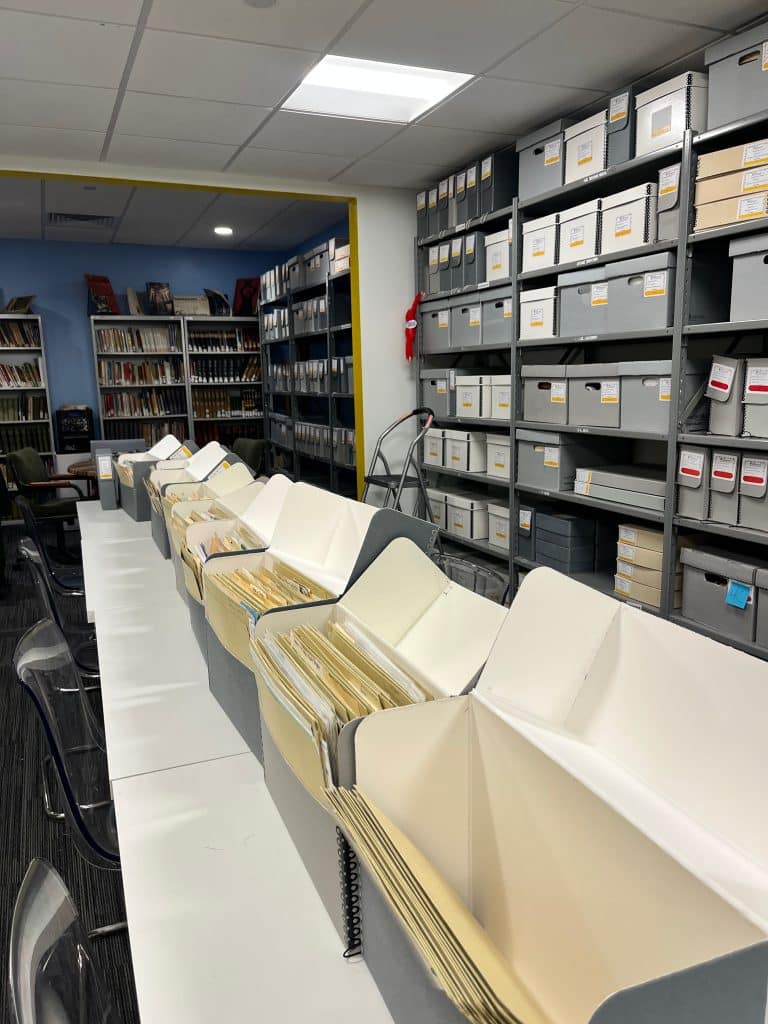
Taller’s commitment to history extends beyond exhibitions. The organization houses the Eugenio María de Hostos Archives, a research center containing rare and out‑of‑print materials documenting Puerto Rican, Latino and Latine history in Philadelphia and across the country.
Archivist Masada Devine described the archives as “a vital resource that preserves the historical memory, artistic production, and political experiences of Puerto Ricans and the community here in Philadelphia and Puerto Rico.” The collection, she said, serves as both a research site and “a living community resource that supports cultural pride,” offering affirmation and empowerment to those seeking to understand their heritage.
Devine emphasized the importance of narrative ownership, especially during a national moment of reflection.
“It is important for communities to tell their own stories because they reclaim narrative power,” she said. Inclusive storytelling, she said, ensures that histories of inequality are confronted honestly while uplifting “stories of resistance, innovation and joy.”
As the nation’s semiquincentennial approaches, scholars say that understanding Latine history is essential to understanding the broader American story.
“Universities play a central and vital role in elevating Latin American histories,” said Catherine Bartch, Ph.D., associate director of the Center for Latin American and Latine Studies at the University of Pennsylvania. She noted that U.S. and Latin American histories are often taught as separate narratives, despite being deeply intertwined.
“We should study the Americas holistically,” she said.
As the United States marks 250 years, Latine history in Philadelphia offers a reminder that the nation’s history has always been shaped by people across the Americas. From independence‑era exchanges to 20th‑century migration and contemporary cultural life, Latine communities have contributed to the city’s identity and to the country’s evolving understanding of what it means to be American.Taller Puertorriqueño’s yearlong series, WE WILL NOT HIDE: Hidden Histories, Collective Voices, and Creative Futures, will run throughout 2026, offering exhibitions and programs that highlight these histories and the communities that continue to shape them.
The Latine Legacy That Shaped Philadelphia and the History of the United States was first published by 2PuntosPlatform and was republished with permission.
Latino News Network and 2PuntosPlatform are part of the URL Media network of partners representing a diverse mix of culture, format, geography and audience.
Joy Huertas is a Colombian immigrant from Bogotá who moved to the U.S. at 17. She studied broadcast journalism and earned a master’s degree from Liberty University. She’s led communications in government and nonprofit sectors, now focusing on social impact. Joy writes to honor her roots and uplift community voices.
