Skip to content
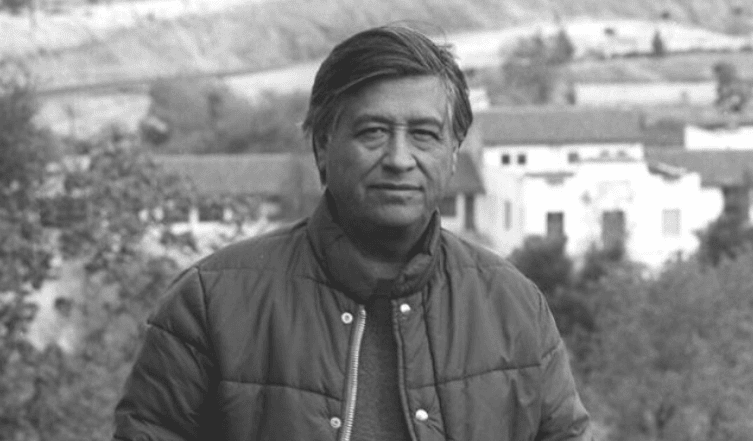
Allegations of sexual abuse against the late civil rights and labor leader César Chávez have triggered a nationwide reckoning within Latino communities, labor organizations, and political leaders. The claims—brought forward by multiple women and detailed in recent investigations—have led to widespread cancellations of César Chávez Day events, public statements of shock, and a broader reassessment of the legacy of one of the most influential figures in the farmworker movement.
The controversy escalated after reporting revealed accounts from women who say Chávez sexually abused them as girls and young women during the 1960s and 1970s, when he led the United Farm Workers (UFW). The allegations include a claim from Dolores Huerta, Chávez’s longtime ally and co‑founder of the UFW, who told NPR that Chávez raped her decades ago.
In a statement posted to Medium on Wednesday, Huerta wrote: “The first time, I was manipulated and pressured into having sex with him, and I didn’t feel I could say no because he was someone that I admired, my boss and the leader of the movement I had already devoted years of my life to,” she wrote. “The second time I was forced, against my will, and in an environment where I felt trapped.”
These revelations have intensified calls for accountability and transparency. According to the Associated Press, Latino leaders across the country described the allegations as devastating, noting that Chávez has long been revered as a symbol of dignity, justice, and empowerment for farmworkers and marginalized communities. Many expressed deep sadness that the movement’s moral foundation may have been compromised by the actions of its most visible leader. Some emphasized that while the allegations do not erase the importance of the farmworker movement, they require a painful reckoning with the harm inflicted on victims.

The United Farm Workers responded by withdrawing from all César Chávez Day celebrations. The union called the allegations “shocking” and “indefensible,” stating that it could not participate in events honoring its founder while such serious claims were under review. Axios reported that several cities, including San Diego, Tucson, and San Bernardino, canceled or significantly altered their planned March celebrations. Organizers said they could not proceed without acknowledging the gravity of the allegations and the need to center survivors. In some cases, commemorative events were replaced with community forums on sexual violence, accountability, and the future of the labor movement.
California Governor Gavin Newsom said during a press conference that “all of us are processing” the allegations and stressed that “the farm workers movement and a labor movement are much bigger than one man. We’re for justice. We’re for the truth. We’re for transparency. We want to have the backs of our victims.” His remarks underscored the broader effort among state leaders to acknowledge the gravity of the accusations while reaffirming the values the movement has long claimed to uphold.
Adelita Grijalva, a U.S. representative from Arizona, where Chávez was born, said she was “deeply troubled” by the reports and expressed her support for the women who have come forward.
In the wake of the revelations, Arizona officials announced that the state will no longer observe César Chávez Day on March 31 as a state holiday, marking one of the most significant institutional responses.
The allegations have forced a difficult conversation within the Latino civil rights community, where Chávez has long been held up as an icon. Many activists said they felt betrayed and heartbroken, while others stressed the importance of separating the broader movement from the actions of one individual. The BBC noted that the revelations have prompted renewed scrutiny of the culture within the UFW during its early years. Former members described an environment in which Chávez wielded enormous influence, making it difficult for victims to speak out. Some said the movement’s intense loyalty to its leader may have contributed to a culture of silence.
Dolores Huerta’s decision to speak publicly has been particularly impactful. In her interview with NPR, Huerta said she had kept the assault private for decades but felt compelled to come forward after learning that other women had shared similar experiences. Her account has encouraged additional survivors to speak out and has intensified calls for a full accounting of the harm. Given Huerta’s central role in the farmworker movement and her decades‑long partnership with Chávez, her voice has carried significant weight in shaping the public response.
“César’s actions do not diminish the permanent improvements achieved for farmworkers with the help of thousands of people,” Huerta said in her statement. “We must continue to engage and support our community, which needs advocacy and activism now more than ever.”
Across the country, community organizations, educators, and labor groups are reassessing how Chávez is taught and commemorated. Some are calling for a shift toward honoring the broader collective of farmworker activists rather than centering a single figure. Others are advocating for the creation of survivor‑support funds or educational initiatives focused on preventing abuse within social justice movements. Despite the turmoil, many leaders say this moment offers an opportunity for growth.
The allegations against César Chávez have triggered one of the most significant reckonings in the history of the Latino civil rights movement. While his contributions to labor rights remain undeniable, the emerging accounts of abuse have complicated his legacy and forced a painful but necessary conversation about power, accountability, and the responsibility of movements to protect the vulnerable. As investigations continue and more voices come forward, communities across the nation are grappling with how to honor the progress Chávez helped achieve while acknowledging the profound harm described by survivors.
Hugo Balta is the executive editor of The Fulcrum and the publisher of the Latino News Network, and twice president of the National Association of Hispanic Journalists.
Featured Stories
Featured Stories
Noticias Newswire
Cosmetique Aesthetics Relocates to New State-of-the-Art Facility in Culver City and Launches Enhanced Digital Experience

Rita Moreno Headlines Hispanic Heritage Month Conversation at Lehman College Presented by HITN MEDIA

Great American Media Invests in Wholesome, Family Streaming Entertainment for Latinos with Launch of Pure Flix Familia