Skip to content
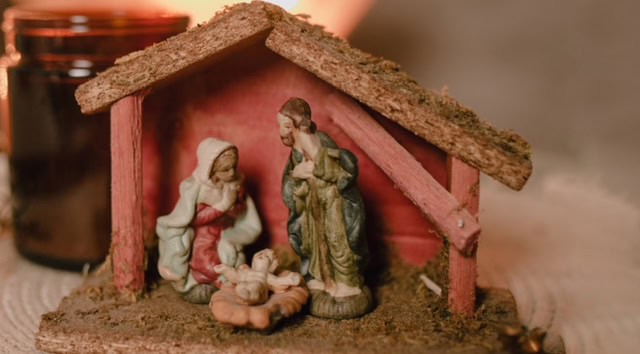
For millions of Latino families across the United States, Nochebuena — Christmas Eve — is the emotional center of the holiday season, even when distance, immigration status, or shifting traditions make it harder to celebrate as they once did. While Christmas Day carries weight in mainstream American culture, it is Nochebuena that “shines brighter than most holidays” for many Latinos.
Across Latin America, Nochebuena is marked by late‑night feasts, music, prayer, and family gatherings that stretch past midnight. Central American families traditionally prepare tamales, while Caribbean households roast lechón and serve arroz con gandules. These foods — and the rituals around them — become powerful cultural anchors for immigrants who recreate them in U.S. kitchens, often with ingredients sourced from local Latino markets.
Puerto Ricans celebrate Nochebuena with large family feasts featuring pernil, arroz con gandules, and coquito; attending Misa de Gallo (Midnight Mass); singing aguinaldos; and often going on parrandas (caroling) before exchanging gifts late or early on Christmas morning, all filled with music, faith, and strong community spirit.
“Nochebuena is an opportunity for us to celebrate the birth of Jesus but it also about family — about being together about reflecting on how lucky we were to have our family together,” said Michael Toledo. “That’s how they celebrated on the island and how we celebrated it here in Reading (Pennsylvania).”

Ana Velez, who grew up in Santo Domingo in the Dominican Republic told The Pocono Record how she remembers attending Misa de Gallo as a little girl. “Nochebuena is when you have the best meal, the family gathers: the music, the dancing merengue style,” Velez said. “In the whole month of December the priest used to pick a house each day to sing Christmas carols and then we drink ginger tea and coffee and eat crackers and these Christmas candies that you can’t find here in the U.S.”
For some families, the holiday has taken on new meaning as immigration enforcement and economic pressures reshape how and where they gather. Several Latino families interviewed by The Washington Post described downsized celebrations or the emotional weight of celebrating without relatives who remain abroad or who cannot travel due to immigration status.
“We’re not losing faith,” Jacqueline Cortes said. “My dad was our protector. Now it’s our turn to protect him.” On Nov. 5, immigration agents detained her father, Francisco, outside his workplace, a produce market, as he waited for his son to pick him up.
Araceli, Francisco’s daughter, said their mother, who is also undocumented, barely leaves home anymore. “She’s scared,” she said. “They’ve never been apart.” Francisco’s immigration hearing is scheduled today.
Technology has become a lifeline. Families separated by borders often share meals over video calls, coordinate simultaneous prayers, or livestream the opening of gifts so grandparents abroad can participate. WhatsApp groups buzz with photos of nativity scenes, coquito toasts, and midnight greetings.
Despite the challenges, Nochebuena remains a celebration of resilience. Whether gathered around a table in Miami, Los Angeles, or a small town in the Midwest, Latino families continue to keep the “good night” alive — preserving a tradition that transcends geography, politics, and time.
Featured Stories
Featured Stories
Noticias Newswire
Cosmetique Aesthetics Relocates to New State-of-the-Art Facility in Culver City and Launches Enhanced Digital Experience

Rita Moreno Headlines Hispanic Heritage Month Conversation at Lehman College Presented by HITN MEDIA

Great American Media Invests in Wholesome, Family Streaming Entertainment for Latinos with Launch of Pure Flix Familia