Skip to content


Share This Story, Choose Your Platform!
According to a report from the National Research Center on Hispanic Children & Families, there were 18.6 million Latino children (ages 18 and under) in the United States in 2019, representing 26 percent of the total child population. Although Latino children are concentrated in the Southwest, they make up a significant portion of the child population in all 50 states, with at least 25 percent in 12 states.
The report shows that the proportion of Latino children in each state varies widely, ranging from 2 percent in Vermont to 61 percent in New Mexico. In three states in the Southwest – New Mexico, California, and Texas – Latino children make up about half of the total child population. Additionally, in Nevada and Arizona, two other Southwestern states, Latino children account for over 40 percent of the child population.
In states outside of the Southwest, the percentage of Latino children in the child population varies. In seven states – Florida, Colorado, New Jersey, Rhode Island, Connecticut, New York, and Illinois – Latino children make up 25 percent to nearly 40 percent of the child population. In 22 states, such as Oregon, Washington, Massachusetts, Kansas, Hawaii, Idaho, Utah, Nebraska, Oklahoma, North Carolina, Delaware, Maryland, Georgia, Wyoming, Virginia, Pennsylvania, Arkansas, Wisconsin, Indiana, Iowa, Tennessee, and Alaska, as well as the District of Columbia, Latino children account for 10 percent to nearly 25 percent of the child population. In the remaining 16 states – South Carolina, Minnesota, Michigan, Alabama, Louisiana, Missouri, New Hampshire, Ohio, Kentucky, South Dakota, North Dakota, Montana, Mississippi, Maine, West Virginia, and Vermont – the proportion of Latino children is less than 10 percent.
In 2021, there were 168,063 white children in foster care in the United States. This is compared to 86,645 Black or African American children and 85,215 Hispanic children who were in foster care, reports Statista.

There are about 1,800 kids in the foster system in Milwaukee County, according to Children’s Wisconsin. About 13% of those kids are Hispanic or Latino, but only 7% of foster parents identify as Hispanic or Latino.
“Kids already go through so many changes when they come into foster care; they have a new routine, sometimes moving to a new neighborhood and missing those connections with neighbors or friends that they used to have. So during a time of a lot of changes, anything that can help be consistent for kids, to feel comfortable is really important,” Ashley Argall, a bilingual foster parent recruitment specialist with Children’s, told WTMJ. Argall said it’s important for kids to keep a connection to their culture and language while in foster care.
Children’s recently launched a Spanish-language foster care web page to meet the growing demand for Spanish-speaking foster parents. You can find the page by clicking HERE.
The primary goal of the foster program is to offer a temporary home for children, ideally leading to reunification with biological family members. Approximately 60% of foster children reportedly return to their families. However, in cases where reunification is not possible, foster parents may have the opportunity to adopt children in their care.
Requirements to become a foster parent:
- Must be at least 21 years old.
- May be single, married, partnered, dating or any relationship status.
- May be a renter or homeowner with a minimum two-bedroom home.
- Must be able to financially support oneself with monthly income exceeding monthly expenses and documented forms of income.
- Generally good health with any physical or mental health conditions controlled with treatment.
You can learn more about becoming a foster parent by clicking HERE.
Featured Stories

Latino Growth Spreads Across the U.S., New Pew Data Shows
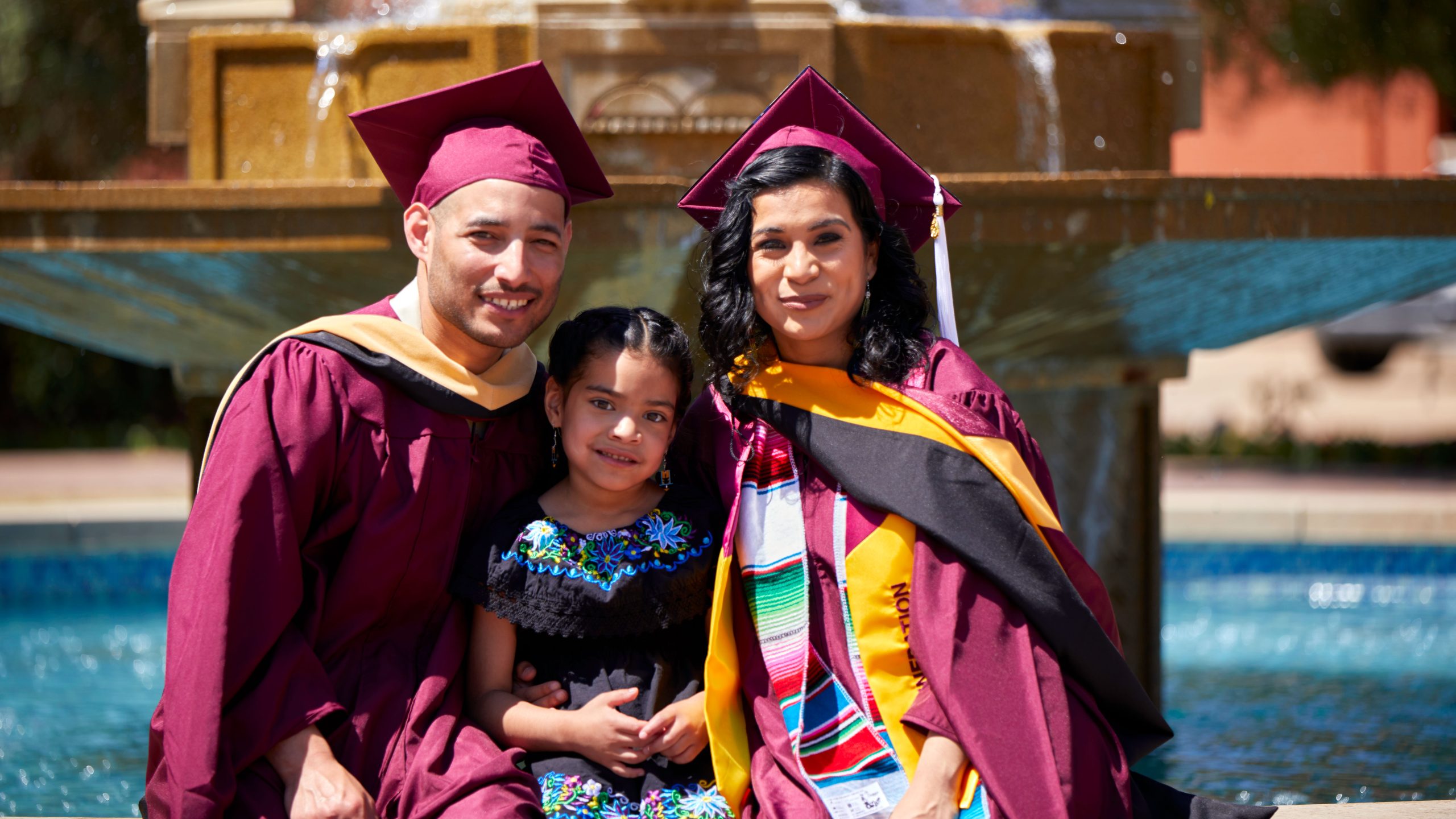
Couple inspire generational achievement through education
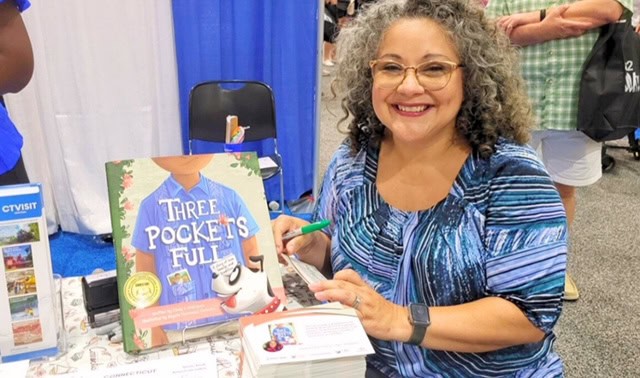
Children’s Author Cindy L. Rodriguez On Multidimensional Latinx Representation
Voting is a social determinant of health
Stay Connected
Noticias Newswire
El español Marc Paré Rico gana el Aloha Classic y refuerza su liderato en la lucha por el título mundial de windsurf en Hawái

B-fit Strengthens Its U.S. Presence and Brings Its Inositol Line to the Hispanic Market

Remittances Reach Well Beyond Major Cities as Older Users Send Money More Frequently