Skip to content


Share This Story, Choose Your Platform!
In the United States, Thanksgiving is often portrayed as a quintessentially American holiday—turkey, pumpkin pie, and family gathered around a table to celebrate gratitude. But for many immigrant families, the holiday has been reshaped into something uniquely theirs.
Among Cuban-Americans, this transformation gave rise to San Giving, a playful reinterpretation of Thanksgiving that blends Cuban traditions with American customs. Popularized by poet Richard Blanco, San Giving has become a cultural touchstone for understanding how immigrant communities negotiate identity, humor, and belonging.
Blanco, the Cuban-American poet who read at President Barack Obama’s second inauguration, grew up in Miami in the 1970s and 1980s. In his memoir The Prince of Los Cocuyos and in interviews, Blanco recalls how his family struggled to understand Thanksgiving. His mother referred to it as San Giving, pronouncing it like a saint’s day—“San Pedro, San Ignacio”—because the concept of a secular American holiday centered on turkey and Pilgrims was foreign to her.
For Blanco’s family, Thanksgiving was not about Pilgrims and Native Americans but about adapting to life in exile. “It’s just one of those instances where there’s an adopted tradition, but we don’t know quite how to handle it,” Blanco explained in an interview.

The most striking feature of San Giving was the food. While American families prepared turkey, stuffing, and cranberry sauce, Cuban households often substituted lechón (roast pork), black beans, rice, and plantains. Blanco’s grandmother once insisted on defrosting a turkey by leaving it outside in the Miami sun, a humorous anecdote that underscores the cultural gap between Cuban cooking traditions and American recipes.
In his poem América, Blanco describes the tension between his desire for a “real” Thanksgiving meal and his family’s insistence on Cuban staples. His aunt experimented with peanut butter as a topping for guava shells, while his mother remained baffled by pumpkin pie. These culinary clashes became symbols of the immigrant experience—negotiating between assimilation and cultural preservation.
San Giving was not just about food; it was about humor and perseverance. The mispronunciation itself—turning “Thanksgiving” into “San Giving”—reflected the playful way some families approached American traditions. It was both a misunderstanding and a reimagining, a way of making the holiday their own.
Blanco’s stories highlight how immigrant families often use humor to navigate cultural dissonance. By laughing at their own missteps—like treating Thanksgiving as a saint’s feast—his family created a space where assimilation or acculturation could be less intimidating and more joyful.
San Giving illustrates a broader truth: American holidays are not static but evolve as they are adopted by diverse communities. Blanco’s work elevates San Giving into a metaphor for the immigrant journey. His memoir and poetry show how traditions are reshaped when transplanted into new soil, becoming hybrid rituals that reflect both loss and belonging.
Featured Stories

Latino Growth Spreads Across the U.S., New Pew Data Shows
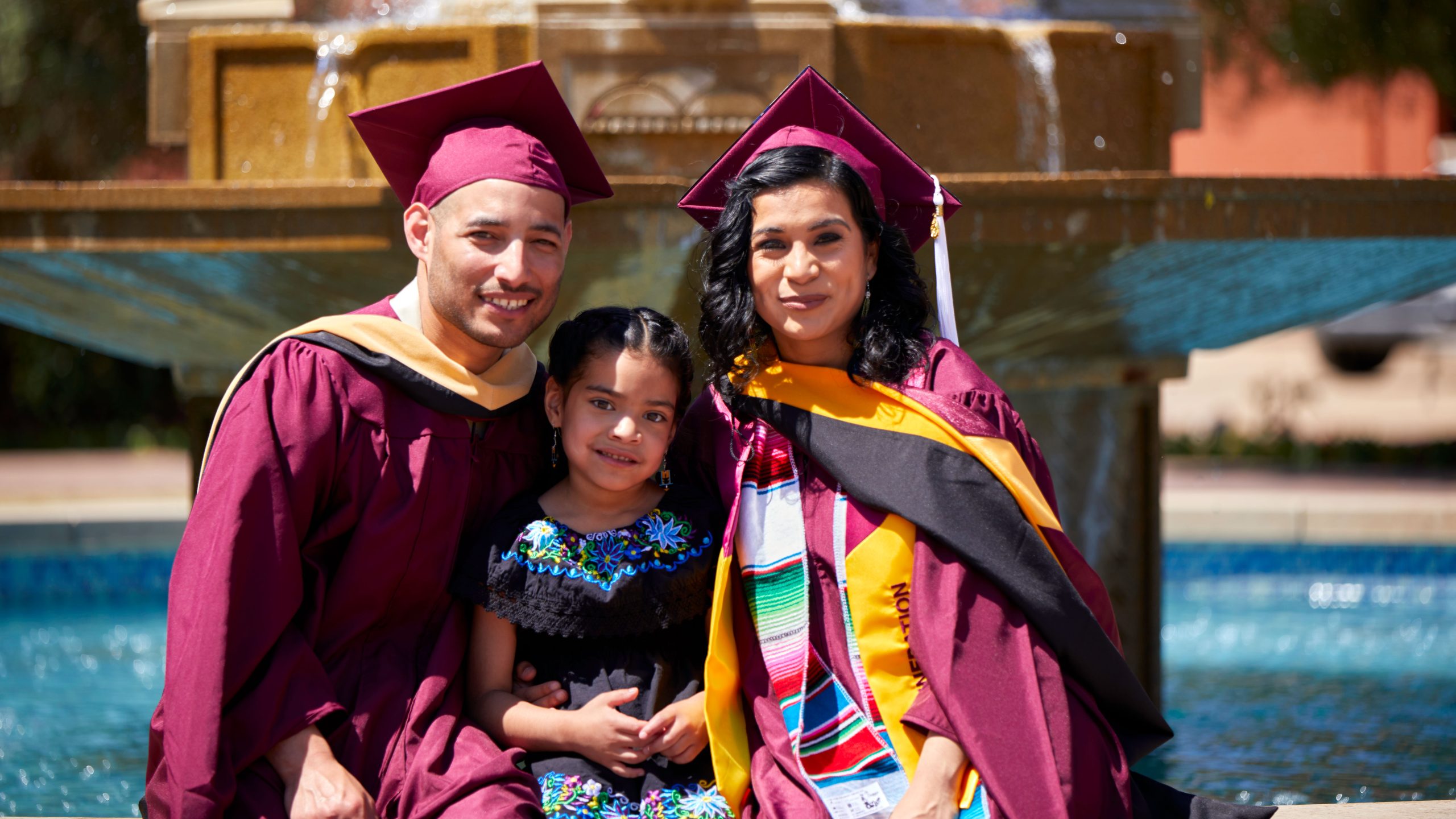
Couple inspire generational achievement through education
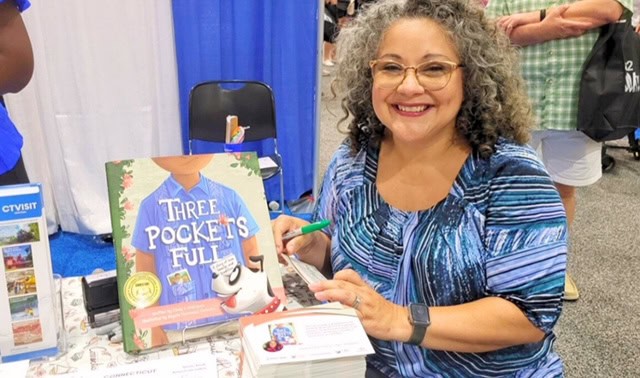
Children’s Author Cindy L. Rodriguez On Multidimensional Latinx Representation
Voting is a social determinant of health
Stay Connected
Noticias Newswire
El español Marc Paré Rico gana el Aloha Classic y refuerza su liderato en la lucha por el título mundial de windsurf en Hawái

B-fit Strengthens Its U.S. Presence and Brings Its Inositol Line to the Hispanic Market

Remittances Reach Well Beyond Major Cities as Older Users Send Money More Frequently