Skip to content

Share This Story, Choose Your Platform!
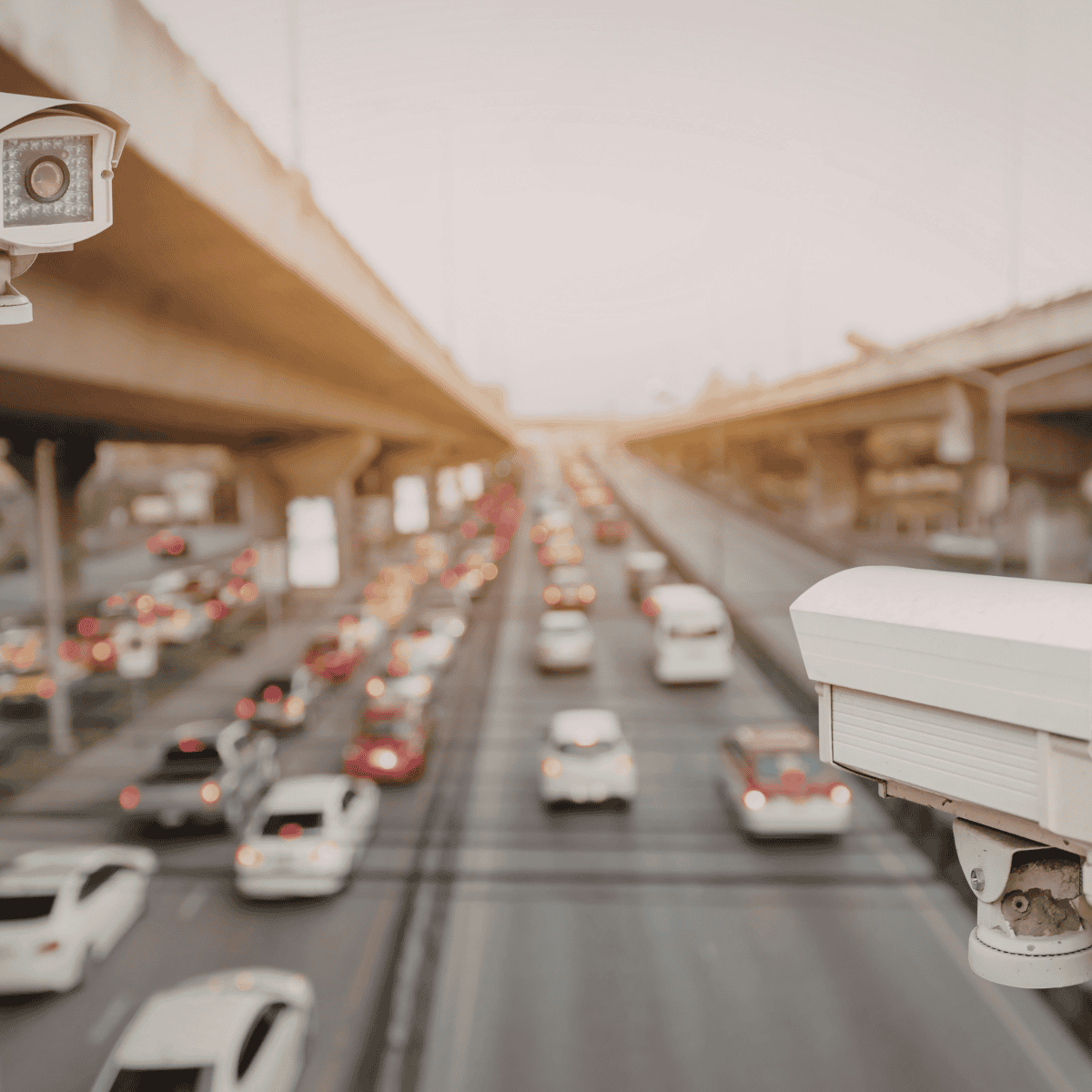
The U.S. Border Patrol and Department of Homeland Security have installed automated license plate reader cameras on Michigan highways as part of a nationwide surveillance network, according to reporting by MLive and the Detroit Free Press.
The cameras are part of a nationwide Border Patrol surveillance network first revealed by an Associated Press investigation and later examined in Michigan by the Detroit Free Press and MLive through a review of state records.
The systems scan and record license plates and use algorithms to flag vehicles considered suspicious.
Installation of the surveillance cameras began under the Biden administration in 2024 and was approved by Michigan state officials.

U.S. Customs and Border Protection officials told MLive the agency relies on a combination of personnel, technology and infrastructure to identify illegal activity and protect national security.
“As part of that approach, CBP uses license plate readers — often the same systems employed by state and local law enforcement nationwide — to help identify threats and disrupt criminal networks,” a spokesperson said in a statement to MLive.
Border Patrol’s use of license plate readers comes as the technology has become increasingly common among law enforcement agencies.
A Congressional Research Service report found all police departments serving populations of more than 1 million residents and nearly 90% of large sheriff’s offices rely on automated license plate reader technology during investigations.
According to the report, the systems can also collect information such as a vehicle’s make, color, location, and the date and time it was recorded. The technology can then compare that information against law enforcement databases and alert authorities when a vehicle matches one associated with vehicles of interest.
The Michigan Department of Transportation told MLive it does not operate the cameras or have access to the data collected. The agency said permit applications are evaluated based on highway operations and design requirements and are not approved or denied based on the agency submitting the request.
According to the Detroit Free Press, Border Patrol declined to publicly disclose the locations of the cameras, citing security concerns. However, records reviewed by the newspaper confirmed cameras had been installed in Wayne and Macomb counties.
The surveillance network has drawn increased scrutiny as immigration enforcement efforts have expanded.
In Michigan, concerns about privacy and government surveillance prompted lawmakers to introduce House Bills 5492 and 5493 earlier this year. The bipartisan legislation would regulate the use of automated license plate reader systems and establish standards for handling the data they collect. The bills have not yet been approved by the Michigan Legislature.
Immigrant rights advocates have also raised concerns about the Border Patrol surveillance network.
Christine Sauvé of the Michigan Immigrant Rights Center told MLive that many residents may not realize they are being monitored by federal immigration authorities.
“Michiganders going about their business may not realize they are being surveilled by federal immigration agents,” Sauvé said.
Sauvé also questioned the impact the technology could have on drivers who are never informed that a camera may have contributed to a traffic stop.
“Most people will likely not know the camera was the initial cause. This kind of widespread surveillance does not make our communities safer, but it does raise the serious possibility of unlawful searches and constitutional violations,” she told MLive.
Cover photo: Canva
Featured Stories

Latino Growth Spreads Across the U.S., New Pew Data Shows

Couple inspire generational achievement through education

Children’s Author Cindy L. Rodriguez On Multidimensional Latinx Representation

Voting is a social determinant of health
Stay Connected
Noticias Newswire
El español Marc Paré Rico gana el Aloha Classic y refuerza su liderato en la lucha por el título mundial de windsurf en Hawái

B-fit Strengthens Its U.S. Presence and Brings Its Inositol Line to the Hispanic Market

Remittances Reach Well Beyond Major Cities as Older Users Send Money More Frequently