Skip to content


Share This Story, Choose Your Platform!
After the first class of the semester, a student waited patiently as I answered questions. When he finally stepped forward, he introduced himself, shook my hand, and shared that his high school teacher had advised him to do so. He was the first in his family to attend college, and his family had traveled across the state from their rural town to drop him off. My class was his first college class, and I was his first college professor. His sincerity moved me—I felt the weight of the moment and the privilege of being part of his journey.
A university education is more than lectures and exams; it’s a gateway to opportunity, transformation, and belonging. Diversity in the classroom isn’t just important—it’s essential. As a faculty member who studies leadership in post-secondary education, I see both the challenges and opportunities within higher education. The lack of diversity at top institutions impacts not just who enters our classrooms, but how students experience their education. Representation matters, and universities must reflect the diverse realities of the students they serve.
For centuries, great universities have been bastions of knowledge, passing on a rich heritage to the next generation of scholars and leaders. For me, teaching at the university feels like an immense responsibility. Entering that classroom isn’t just about transmitting knowledge; it is about honoring a legacy passed down by my mentors and predecessors, while also shaping the future through my students, although in some small way. The impact of what occurs at the university extends far into society and democracy.
When I meet my students in the university classroom, they are at a pivotal moment in their development, embarking on their journey toward becoming impactful leaders in society. I recognize that, after their campus experience, opportunities to engage deeply with diverse perspectives on critical issues become more limited. The classroom is essential for fostering these connections and cultivating an appreciation for our shared humanity despite our differences. It is here that relationships can flourish and a sense of community can be built. Our role extends beyond delivering content; we are also dedicated to developing vital skills such as civility and diplomacy, which are increasingly important in today’s world.

My main goal in the classroom is to ensure that students grasp the subject matter thoroughly, laying a strong foundation for their future endeavors. While I strive to present course content in engaging ways, the richness of classroom discourse often suffers without diversity. A diverse classroom fosters a dynamic exchange of experiences and perspectives, enhancing both the intellectual and social atmosphere. This diversity promotes critical thinking and helps students connect with individuals from various backgrounds, ultimately enriching their communities and future professional environments.
My students enter a wide range of fields, from medicine and law to corporate settings and beyond. In our increasingly diverse global landscape, exposure to diversity is crucial for their future success. Failing to provide this exposure robs both students and faculty of valuable learning experiences. Embracing diversity enriches class discussions by introducing students to a broad spectrum of perspectives and life experiences beyond their own.
Our commitment to plurality is best realized by creating inclusive spaces in higher education that welcome everyone. Imagine ensuring access to high-quality educational opportunities for all students, regardless of their background or circumstances. In an environment where individuals are treated equitably and can fully engage in rigorous scholarly learning and discourse, excellence naturally thrives. If we accept that talent is equally distributed throughout society, then it follows that educational opportunities should be equally accessible to all.
Providing access and opportunity to high-quality education for every student is an important societal goal. Elite institutions of higher learning play a pivotal role and bear the responsibility of shaping future leaders. True fulfillment of both the students’ aspirations and our democratic principles is achieved when access to college classrooms is made inclusive for all.
Cover Photo: A professor assisting students. (Pexels, Andy Barbour)
Dr. Anthony Hernandez is a member of the Teaching Faculty in the Educational Policy Studies Department at the University of Wisconsin-Madison, won a research award from the National Academy of Education/Spencer Foundation for his study of leadership in higher education. He has received four teaching awards from UW-Madison.
Publisher’s Notes: Do you have an idea for an Opinion-Editorial? We want to hear from you! Send us your ideas to info@latinonewsnetwork.com
Featured Stories

Latino Growth Spreads Across the U.S., New Pew Data Shows
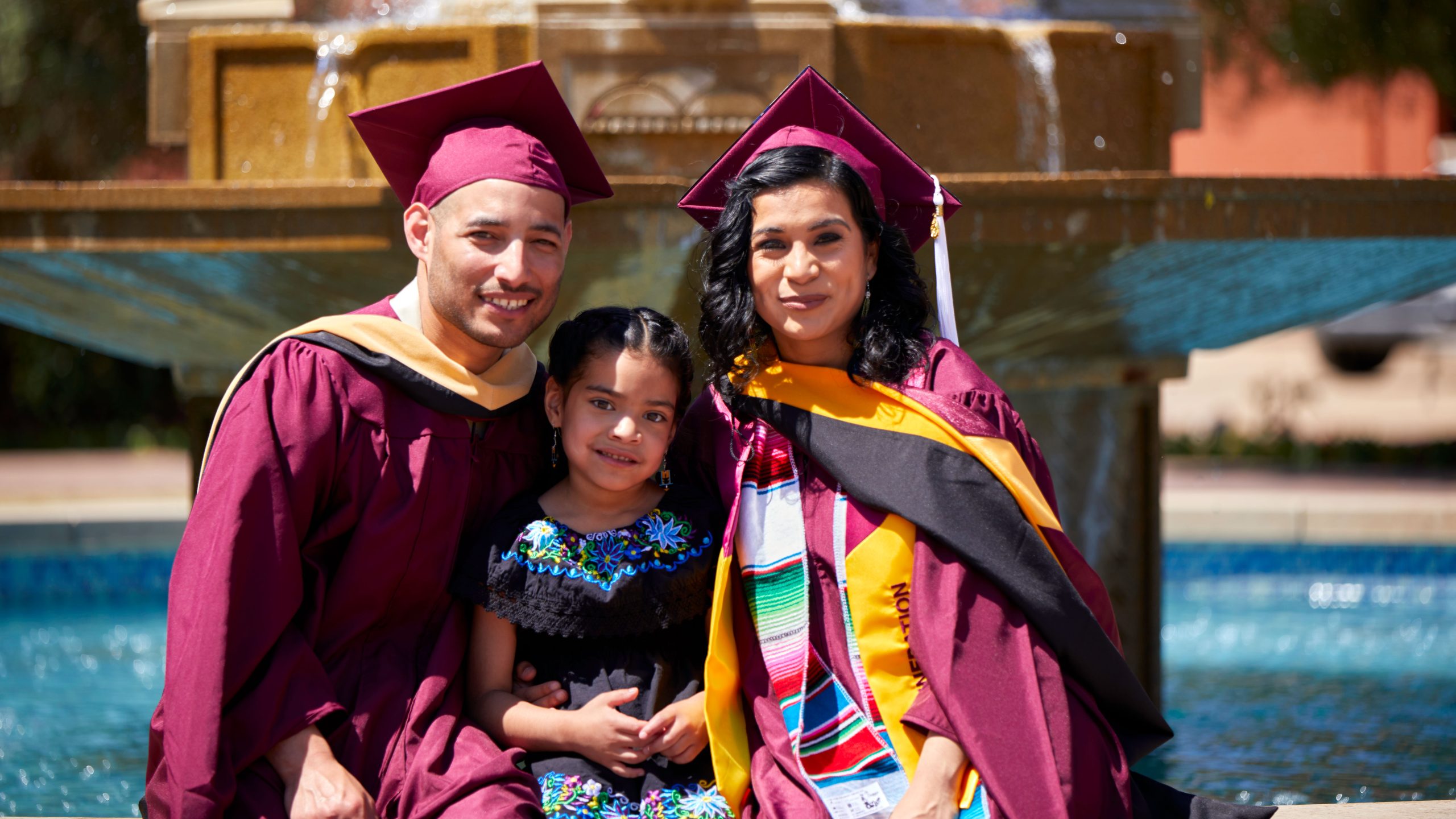
Couple inspire generational achievement through education

Children’s Author Cindy L. Rodriguez On Multidimensional Latinx Representation

Voting is a social determinant of health
Stay Connected
Noticias Newswire
El español Marc Paré Rico gana el Aloha Classic y refuerza su liderato en la lucha por el título mundial de windsurf en Hawái

B-fit Strengthens Its U.S. Presence and Brings Its Inositol Line to the Hispanic Market

Remittances Reach Well Beyond Major Cities as Older Users Send Money More Frequently