Skip to content

Share This Story, Choose Your Platform!
Some rural South Dakotans struggle to get good drinking water but the U.S. Bureau of Reclamation has awarded two local communities with grants to help change it.
Nearly $13 million in WaterSMART Drought Resiliency grants are slated for projects in Eagle Butte and Day County. The Mni Wašte Water Company, run by the Cheyenne River Sioux Tribe, will receive $2.8 million to pipe water 10 miles northwest of the community to supply 17 existing residences and 20 being constructed.
Leo Fischer, executive director of Mni Wašte Water Company and enrolled member of the Cheyenne River Sioux Tribe, said the water company started planning this project in 1993, and in the meantime, the people living there have had to haul their water.
“It’s more of a pain than it is anything, because you haul it in the back of a vehicle,” Fischer pointed out. “In the wintertime, everything freezes up.”

As of 2022, the U.S. Census Bureau estimated that 44,581 Latinos lived in South Dakota, which is almost 5% of the state’s population. This is more than double the Hispanic population from 2010, making South Dakota one of the states with the fastest-growing Hispanic populations in the country.
Beadle County has the highest percentage of Hispanic residents in the state at 14.3%, or 2,741 residents, up from just 155 in 2000. Other counties in the state’s top five of Hispanic population percentage are Aurora (8.0%), Grant (6.4%), Minnehaha (6.1%) and Marshall (5.9%).
Piped water is important in the region because area groundwater wells are of poor quality, must run deep into the ground, and have proven unreliable.
To the east, the WEB Water Development Association is slated to receive nearly $10 million to build about 40 miles of pipeline, supplying more than 700 people with drinking water in the city of Waubay and in rural Day County.
Shane Phillips, the association’s general manager, said it feels ironic to be doing a project in Day County, which is known for having ample water.
“It’s the true quality of the water that’s not great in Day County,” Phillips observed. “There’s total dissolved solids. It’s really high in minerals.”
Phillips added that the company hopes to break ground in 2025 on its project to pipe and treat potable water from the Missouri River. The Bureau of Reclamation has made WaterSMART grants in 11 states this year.
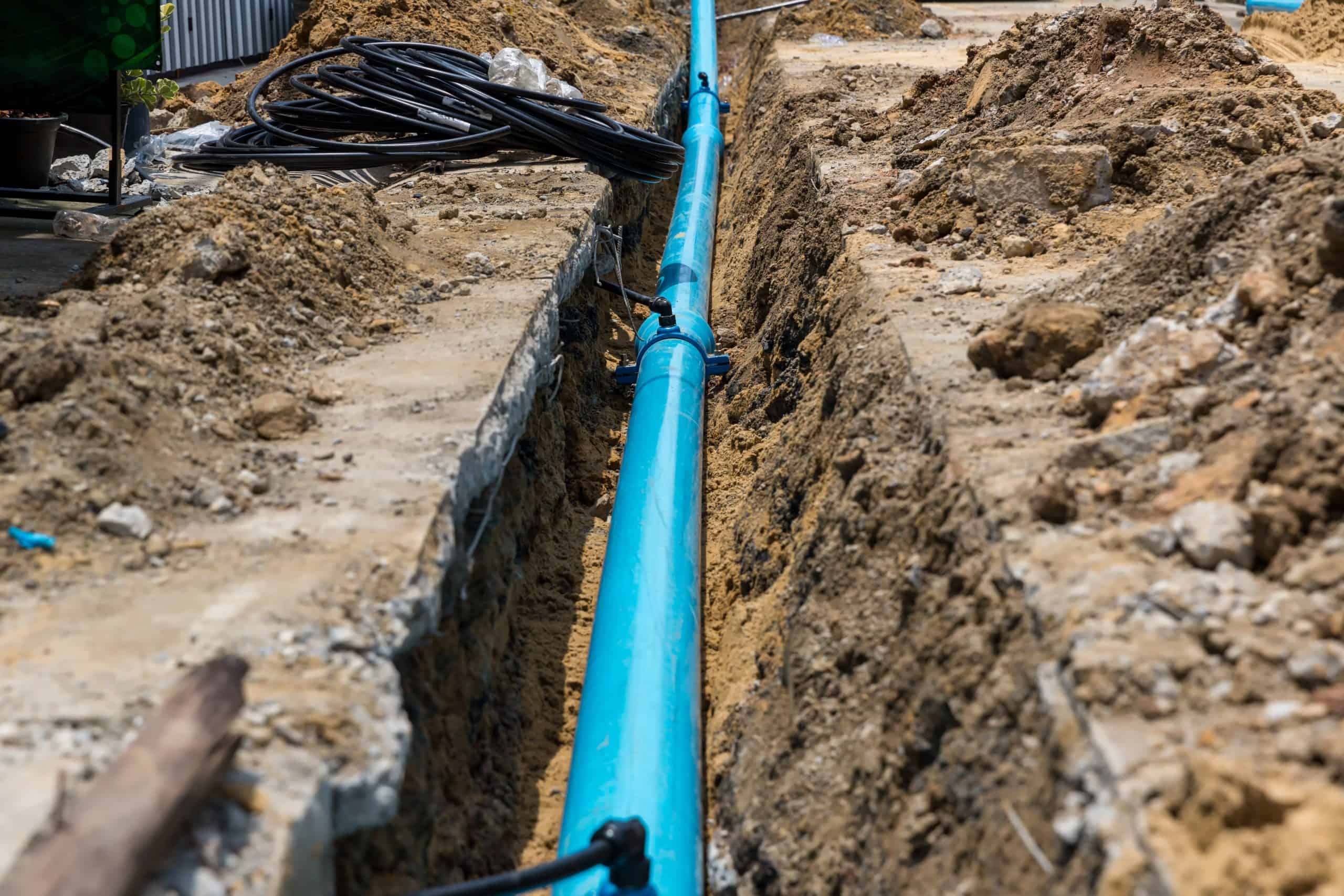
Cover Photo: Two South Dakota drought resiliency projects will supply about 130 homes with high-quality drinking water. (Adobe Stock)
Publisher’s Notes: New federal funds earmarked for SD rural water projects was first published by Public News Service and republished with permission.
Part of LNN’s mission is to amplify the work of others in providing greater visibility and voice to Hispanic, Latino communities.
Featured Stories

Latino Growth Spreads Across the U.S., New Pew Data Shows
Couple inspire generational achievement through education
Children’s Author Cindy L. Rodriguez On Multidimensional Latinx Representation
Voting is a social determinant of health
Stay Connected
Noticias Newswire
El español Marc Paré Rico gana el Aloha Classic y refuerza su liderato en la lucha por el título mundial de windsurf en Hawái

B-fit Strengthens Its U.S. Presence and Brings Its Inositol Line to the Hispanic Market

Remittances Reach Well Beyond Major Cities as Older Users Send Money More Frequently