
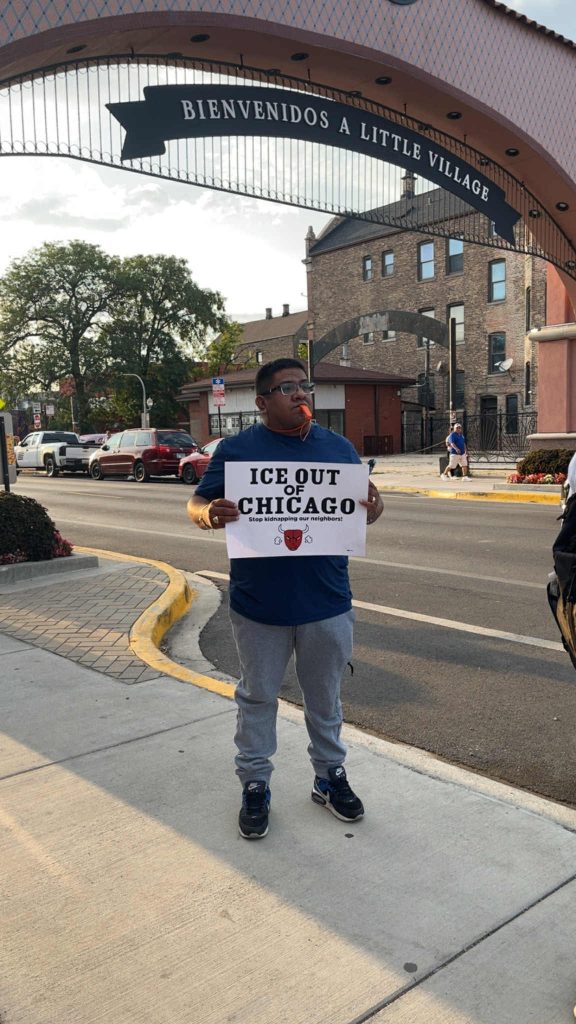
Q&A with Baltazar Enríquez: Perspectives from Little Village Community Council President
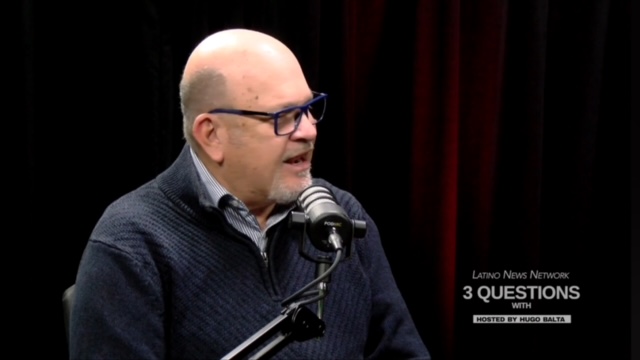
Baltzar Enríquez was born in Michoacán, Mexico, and moved to Chicago at the age of three. Little Village, often called
Baltzar Enríquez was born in Michoacán, Mexico, and moved to Chicago at the age of three. Little Village, often called
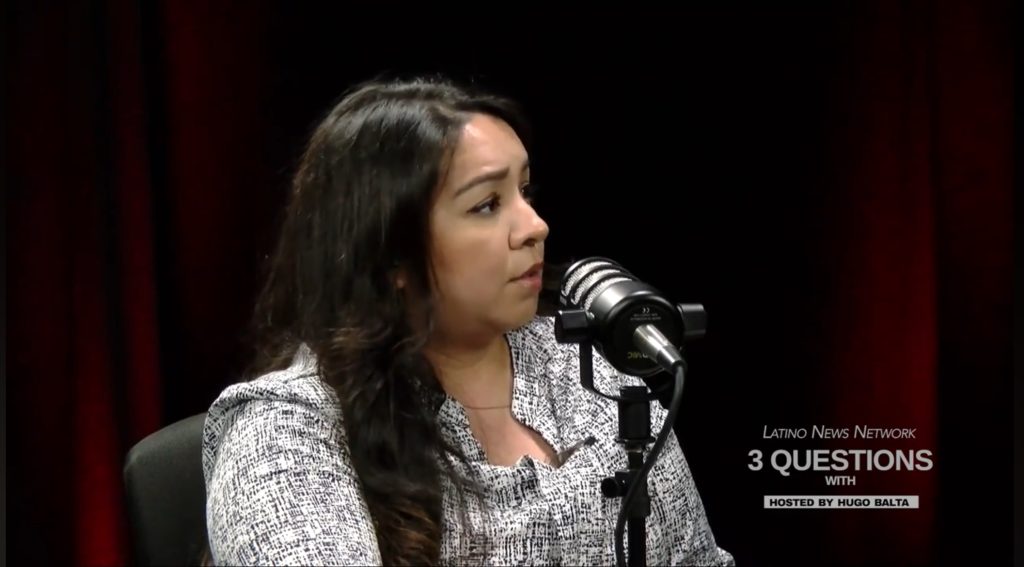
Improving the quality of life for the working-class and immigrant populations of Chicago’s southwest side

Nava shares how the barriers of being a first generation immigrant in the U.S., helped shape the work she leads in the service of others.
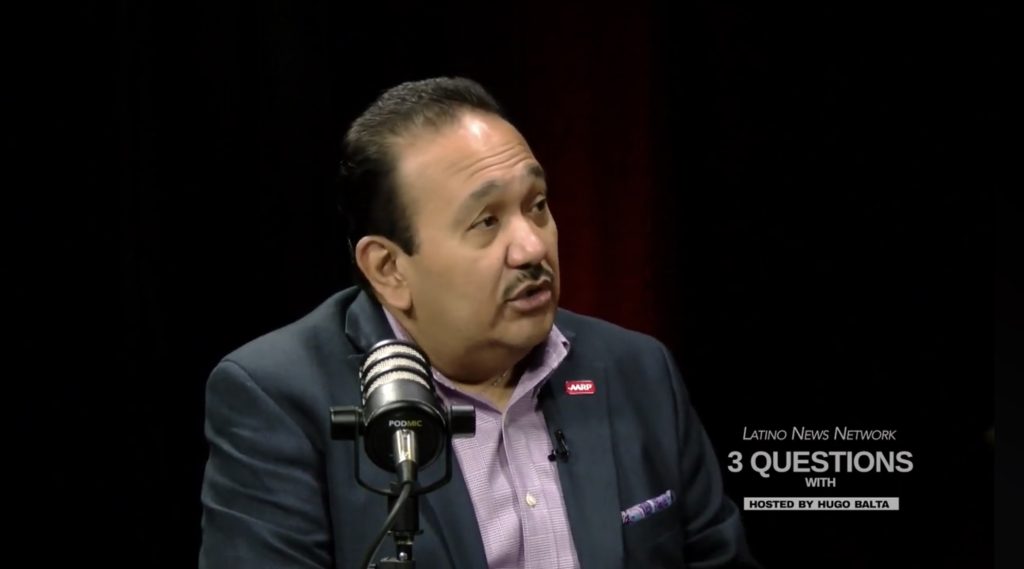
The Associate State Director, Advocacy & Outreach, with AARP Illinois, discusses digital equity, caregiving resources, and how family shapes his love of serving the community.
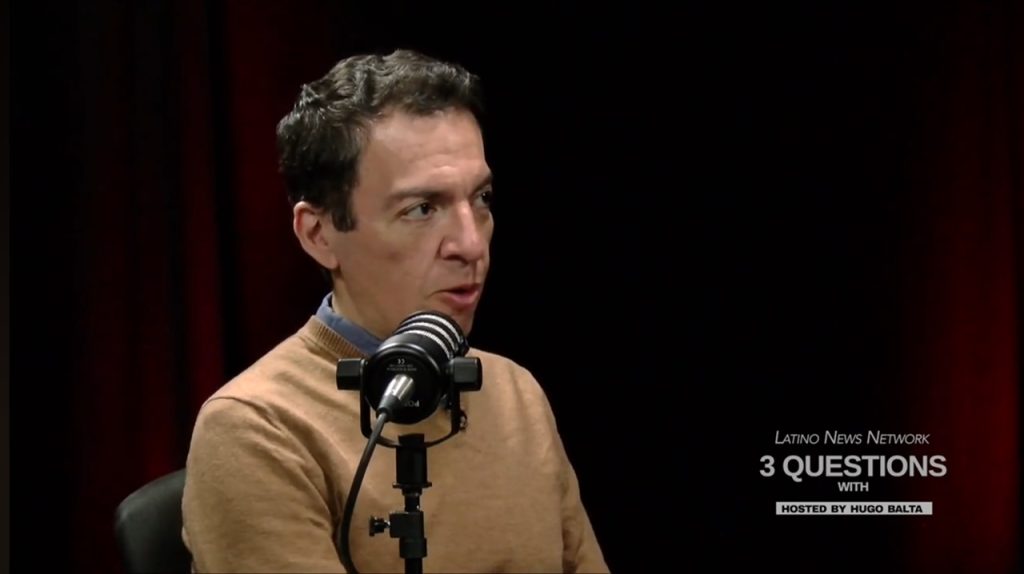
Creating transformative change by building power with working families through strategic community-labor organizing, grassroots leadership development, civic engagement, and training.

Bueno Vasquez discusses how Afro-Latinos experiences are influenced by race, skin tone, in ways distinct from those of other Hispanics, including struggling with their Black identity.
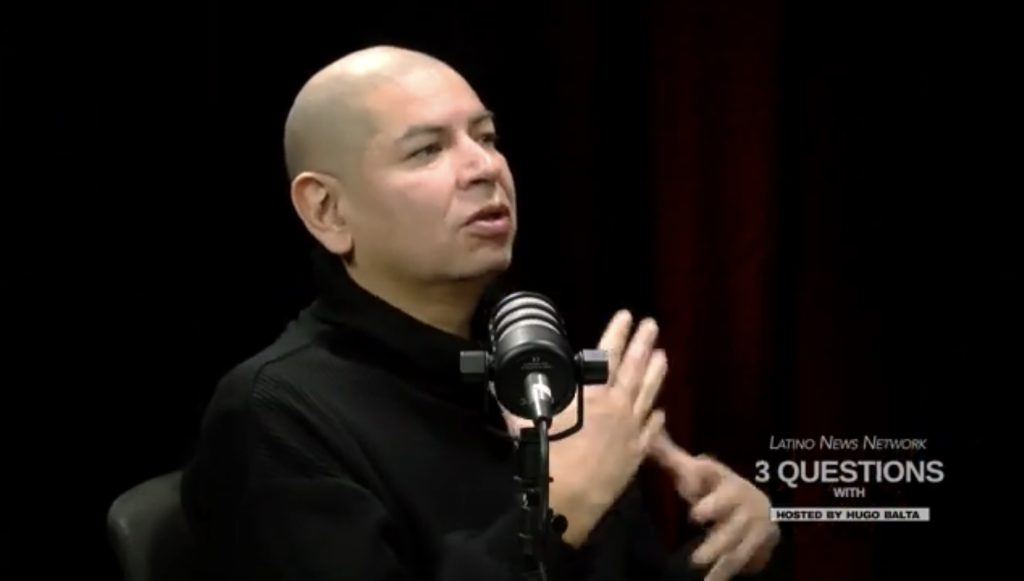
After-school programs offer mentoring and positive role models for youth. Besides academic support, after-school programs offer a wide range of
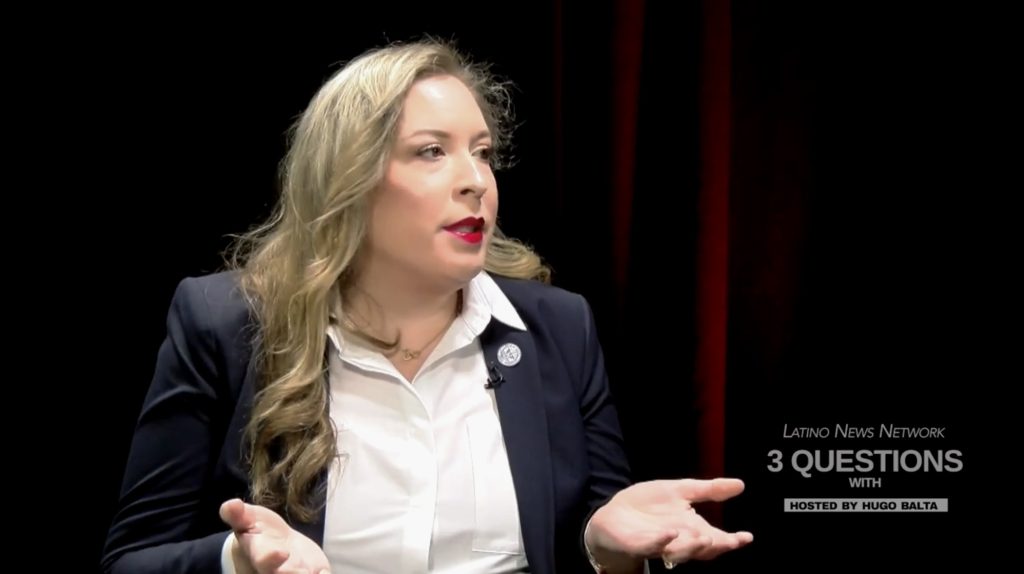
Latinos are the most significant and fastest-growing group in the U.S., yet their presence in healthcare, particularly as physicians, remains
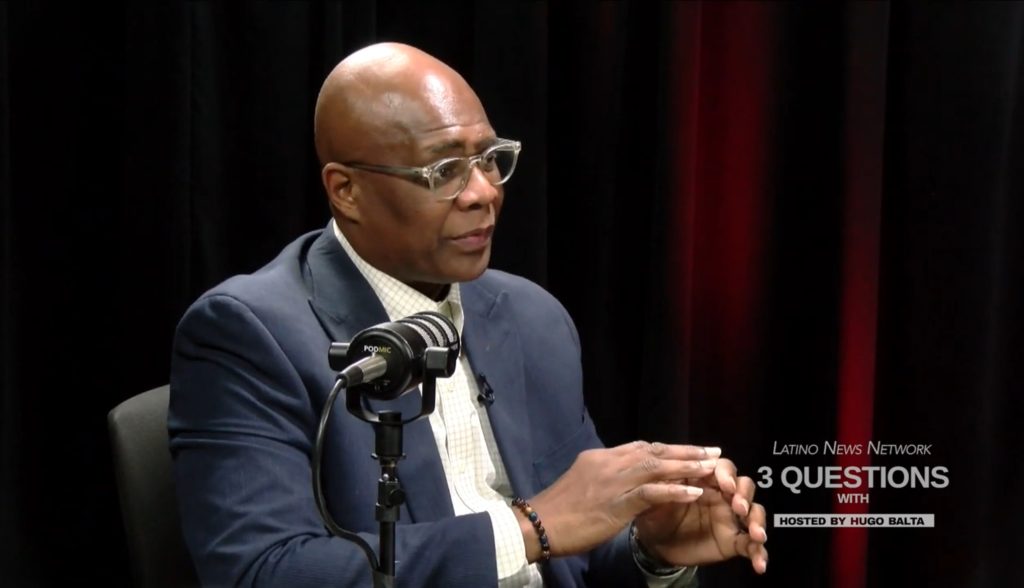
In a society that is becoming increasingly diverse, different communities must come together and find common ground. Black and Latino

The Latino Policy Forum and Illinois Latino News are partnering to create a 2-year long public awareness campaign that will illuminate the most common form of homelessness experienced in the Latinx community, which is through ‘doubling-up’ or when a person temporarily lives with others.
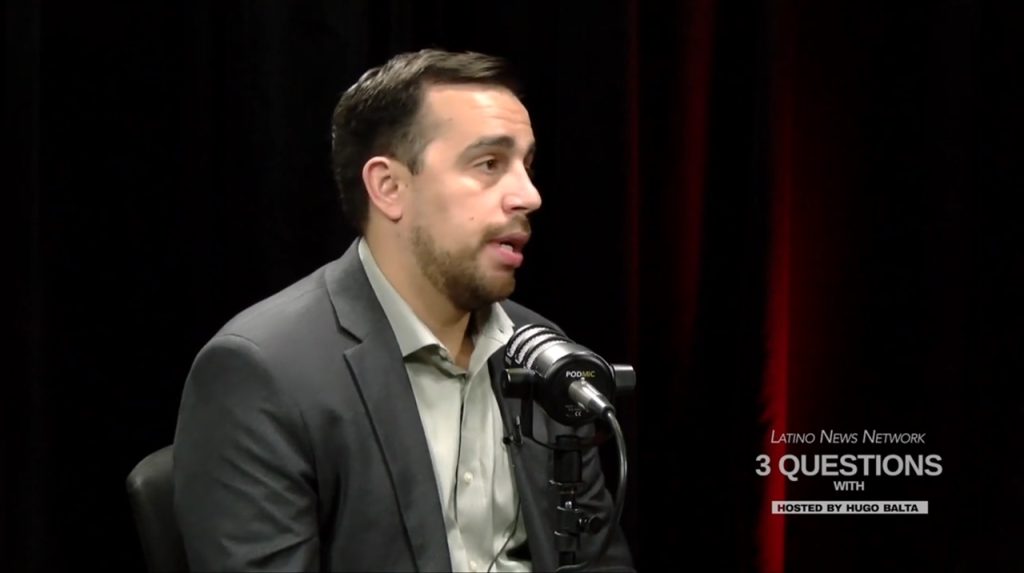
Advocating for the rights and interests of the Hispanic-Latino community takes a village. Fostering partnerships creates a united front to
According to recent reports, the Latino economy is valued at 3.2 trillion dollars, up from $2.8 trillion in 2020. If